Festival Excursion
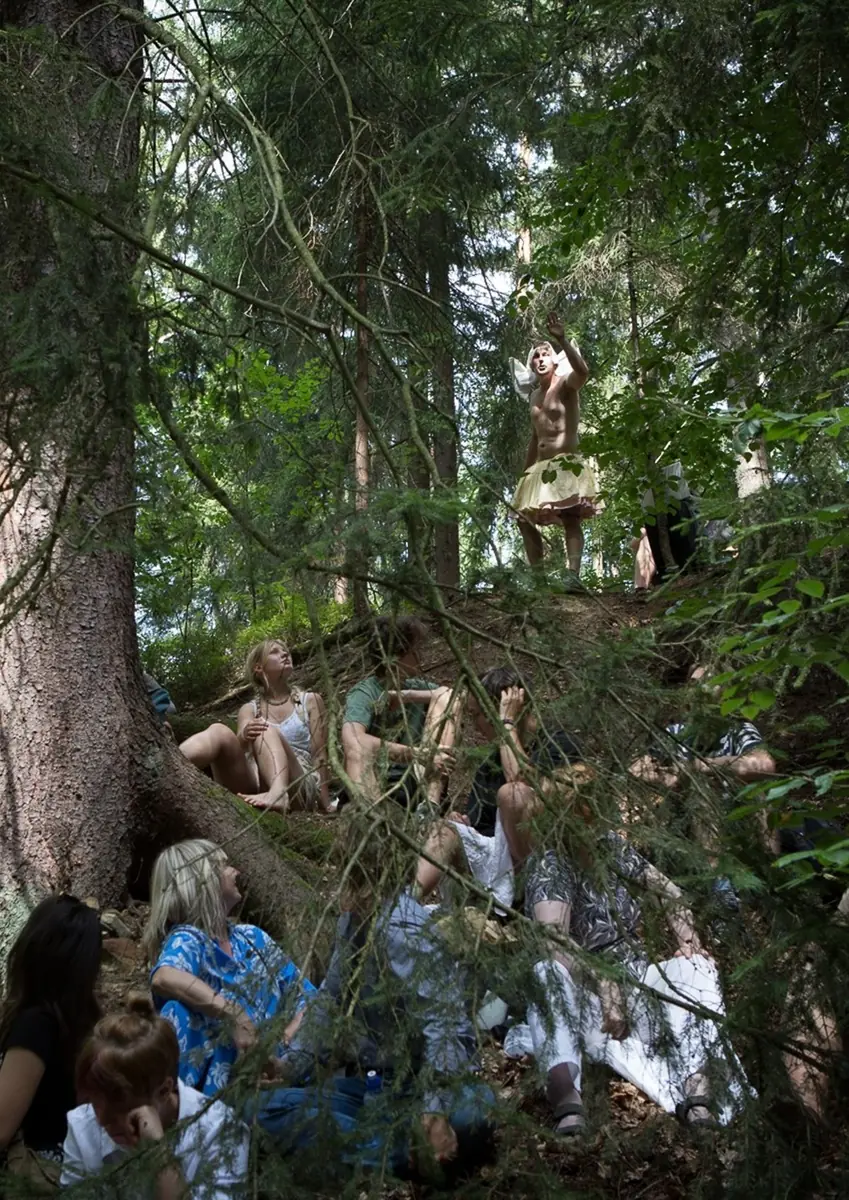
A festival excursion takes place on Thursday, August 20, 2026, departing by bus from Kuks at 9:00. Bus capacity is limited. The excursion price includes admission to all artistic performances. Individual productions can also be attended without the bus – by private transport with tickets purchased separately in advance.
Stop 1 – In the Footsteps of Sculptor J. F. Pacák
On the way to Kocbeř, Jaroměřice sculptor Petr Novák will guide visitors through the work of Baroque sculptor Jiří František Pacák, who built upon the expressive style of Matěj Bernard Braun and is among the significant representatives of Czech Baroque sculpture in the first half of the 18th century. The route passes through Žireč, Zboží, and Choustníkovo Hillfort.
Stop 2 – Monument to Jelena, Kocbeř (10:00)
DUE DI KUKUS: A humorous meditation on the unjustly shot deer named Nickel. An authentic event from Špork's life was preserved in a poetic version by the count's court poet Gottfried Benjamin Hancke under the title: A Witty Thanksgiving for a Gentle Deer Named Nickel, Belonging to His Imperial-Royal Excellency Count von Špork, Yet Unjustly Shot in 1724. The rhymed text intended for recitation or singing was published in 1731 in Leipzig and Dresden with the original illustration. Music and singing: Due di Kukus – Stanislav Bohadlo, Lukáš Pelc.
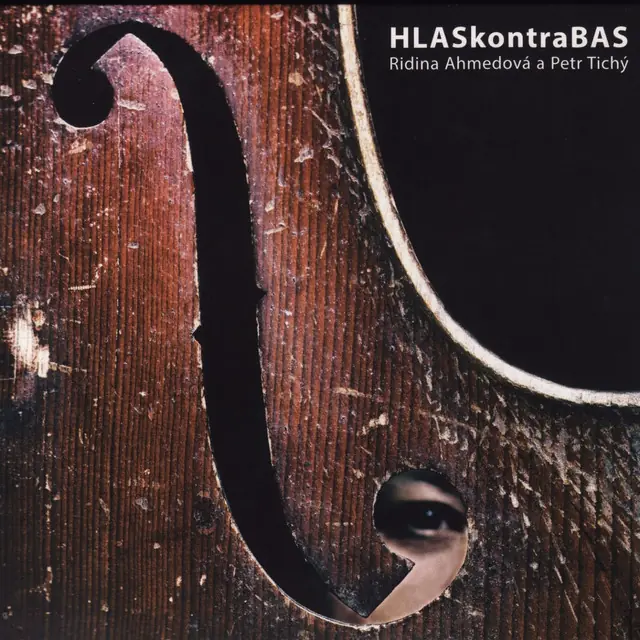
10:30 – RIDINA AHMEDOVÁ: From the Diaries of Světlotma (Chapel of St. Florian, Kocbeř)
A sound experience at the intersection of concert and audio documentary. An acoustic performance that listeners can co-create – Ridina Ahmedová will draw on the genius loci of the Chapel of St. Florian in Kocbeř and on visitors' memories of powerful experiences with light and darkness, which they can share with her during the festival.
Stop 3 – On the Trail of Boundary Stones
The Špork boundary stones are a collection of 34 sandstone markers from 1726 that marked the boundaries of Count František Antonín Špork's estate. They are made of so-called Kocbeř sandstone, characterized by hardness, durability, and minimal fossils, and are today protected as immovable cultural monuments.
Events · Kuks 1 in the next 30 days →
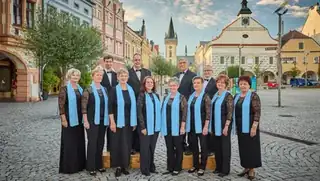 44concertThu 22.4.Concert of the Královédvorský Cathedral Choir at Kuks Hospital
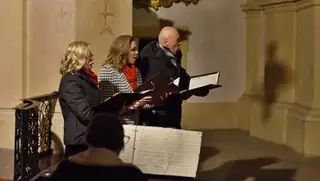 38classicalSat 12.12.Christmas Ryba Mass at Kuks Hospital
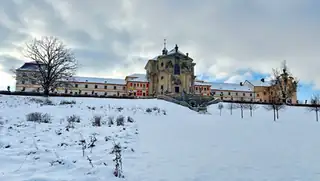 28marketSat 14.11.Christmas Markets in Kuks
 100concertMon 14.12.Bryan Adams at Prague
 100festivalWed 2.6.Rock for People
 100concertSun 15.11.Placebo
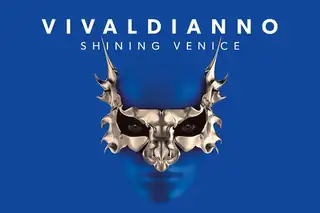 100classicalSun 29.11.VIVALDIANNO Shining Venice
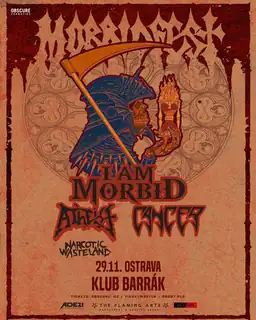 100festivalSun 29.11.Morbidfest 2026: I Am Morbid + Atheist + Cancer + Narcotic Wasteland
 99festivalThu 19.8.Big Summer Fest
 100concertSat 6.2.Editors (UK)
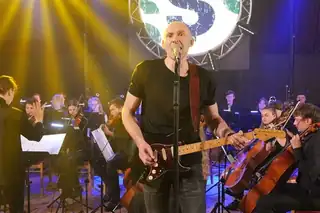 100concertSat 6.2.Floyds CZ/SK – Pink Floyd Symphony Show
 100concertThu 21.1.Manowar Kings of Metal (Prague)