Believe in Beasts
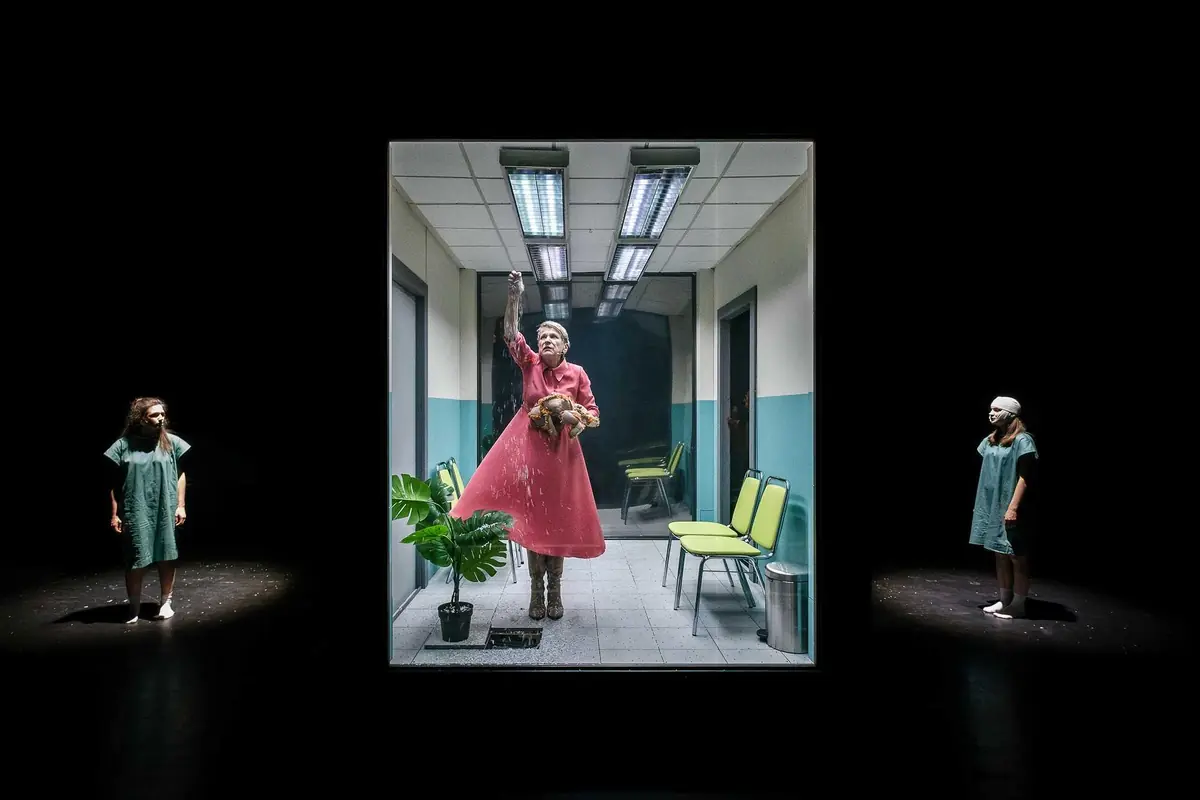
"Are you writing about the bear, about yourself, or about us?"
August 2015. Kamchatka. Anthropologist Nastassja Martin is attacked by a bear during a research expedition. She survives with a serious jaw injury. The wounded bear, which she struck with an ice axe, flees back into the wilderness.
This event marks the beginning of a healing process, of which Nastassja bears witness in the autobiographical prose Believing in Beasts. She describes the mending of her wound and her world, fractured between the volcanic landscape of Kamchatka and so-called "Western civilization". An extraordinarily candid record of inner struggle is a defence of vulnerability as an essential condition for understanding and an exploration of where the boundaries of "humanity" lie.
Distant homes and differing interpretations of events, the surreal world of Russian healthcare and the sterility of Western hospitals, therapy, time with her mother and reunion with the Evenki — to understand the encounter with the beast, Nastassja must enter into dialogue with her loved ones, with her unconscious, and with the bear's landscape. On her jaw, Western surgery conducts a dialogue with the Siberian bear; a face marked by otherness opens the path to inner transformation and the search for an in-between space. How does one translate the experience of a transformative encounter with alterity into one's native language and context? What are the boundaries between anthropological research and everyday identities and relationships?
French anthropologist and writer Nastassja Martin (b. 1986) focuses her research on Northern cultures — she has lived, for example, in Alaska and Kamchatka. She works on translation between Western thought and the animistic practices of peoples living in direct dependence on their environment. She understands her practice as interdisciplinary: as an anthropologist, she does not consider herself a neutral bearer of "objectivity", and she sees anthropology's mission as giving voice to different ways of being in the world and revealing their political content.
Lectures · Brno 106 in the next 30 days →
 63lectureThu 8.10.Bohumil Pečinka & Petros Michopulos: Kecy a politika - Volební speciál
 55lectureThu 11.3.Bohumil Pečinka & Petros Michopulos: Kecy a politika - live
 52lectureMon 5.10.Pavel Klusak: Nick Cave in Nineteen Chapters
 52lectureMon 23.11.Čelisti live
 49lectureSun 4.10.Lucie Vondrýsková: Author Reading with Musical Accompaniment
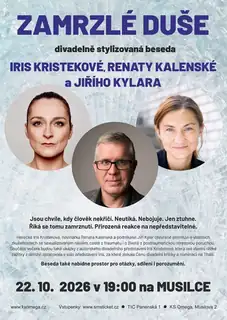 49lectureThu 22.10.Frozen Souls
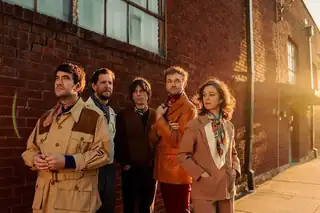 100concertTue 26.1.Punch Brothers
 99concertSat 26.9.AC/DC – Bon Scott Memorial Band + Akupunktura (acoustic punk on tour) – Ruda Zelina 50
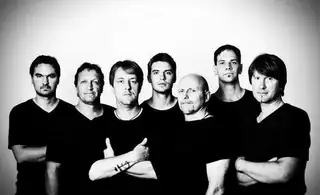 99concertSun 22.11.Floyd Division – The Austrian Pink Floyd show
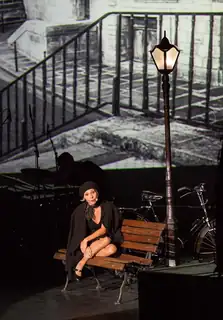 95theaterFri 6.11.Piaf! The Show
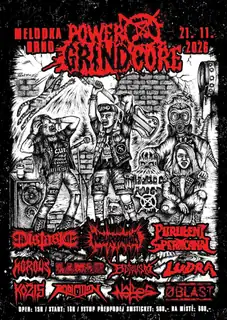 90festivalSat 21.11.Power Grindcore 12 "Last Blast"
 99concertTue 8.12.QUEENSHOW Brno