If Pigeons Turned to Gold
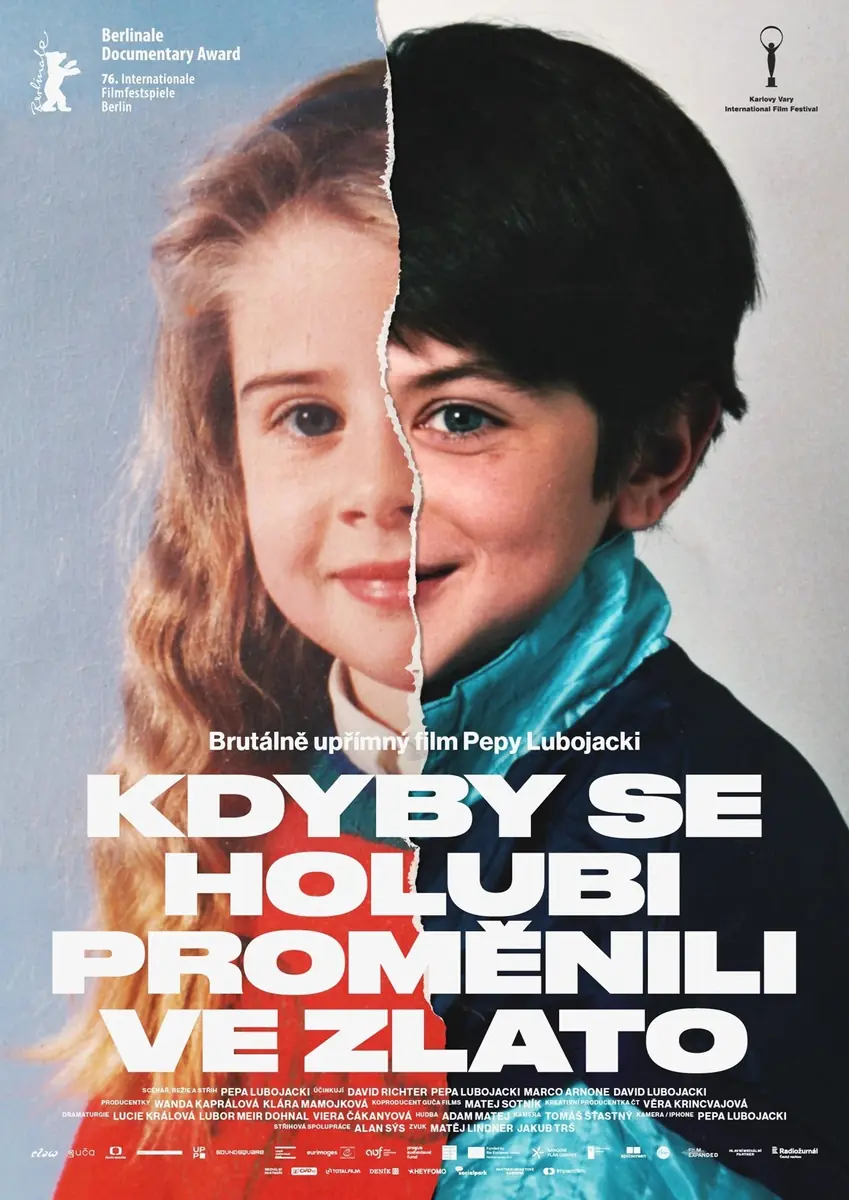
Documentary | 110 minutes
Directed and written by: Pepa Lubojacki
For five years, filmmaker Pepa Lubojacki turned her camera on her own family, trying to understand why her older brother David and two cousins ended up homeless and trapped in addiction. The film refuses simple explanations rooted in personal failure or lack of willpower - instead, the director delves deeper into family history, intergenerational trauma, violence, and losses that preceded the addictions. At the same time, it reveals a world where a person on society's margins easily ceases to be seen as someone deserving of attention, care, and dignity.
She is closest to her brother David - a once-admired older sibling with whom she shares memories of adolescence, music, and childhood. The camera captures moments of sibling closeness alongside relapses, helplessness, and the exhaustion of someone trying again and again to save someone they love. Lubojacki does not hide her own contradictions, shame, and mounting psychological exhaustion. The film thus moves toward the question of where love ends and control begins - and whether one can grieve for someone still alive.
The form is equally exceptional: Lubojacki films mostly on iPhone, weaving intimate diary recordings with stylized memories, text and graphic interventions, animated family photographs, and visual sequences at the boundary between documentary and video art. A talking pigeon even accompanies the narrative. The playfulness of these means does not diminish the weight of the subject - rather, it creates a language for memories that are difficult to speak of directly.
The film had its world premiere at Berlinale 2026, where it won the Berlinale Documentary Award and the independent Caligari Film Award - the first time a Czech film has won the main documentary prize there. The Czech Film and Television Academy subsequently selected it as the Czech candidate for the Oscar for Best International Feature.
Festivals · Kyjov 15 in the next 30 days →
 50festivalFri 30.10.Swings | Host: Bohdan Sláma
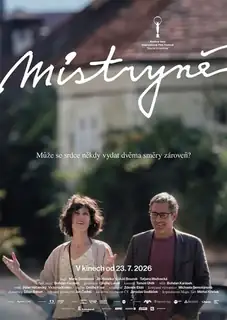 50festivalSun 1.11.Mistryně | Guests: Bohdan Karásek, Marie Švestková
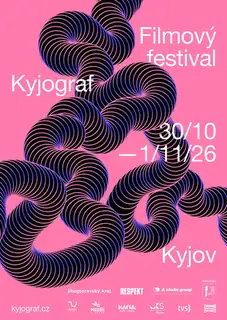 40festivalFri 30.10.Kyjograf Film Festival - Full Festival Pass
 40festivalFri 30.10.A Little Will Change (with live music by Favorite Obsession)
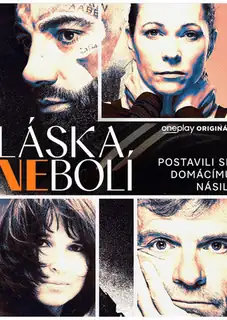 40festivalFri 30.10.Love Does Not Hurt: Children of Violence
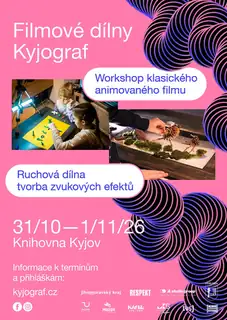 40festivalSat 31.10.Sound Effects Workshop for Children - Creating Film Audio | from 7 years old
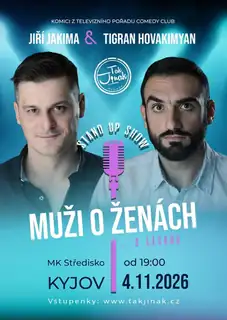 60stand-upWed 4.11.Men About Women... with Love
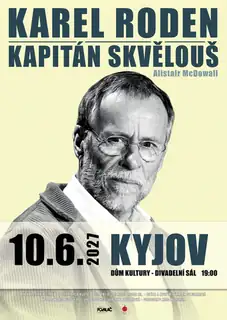 59theaterThu 10.6.Karel Roden: Captain Skvělouš
 57concertMon 30.11.Screamers - Christmas Special
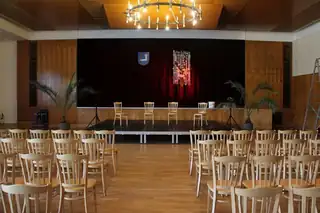 48concertWed 13.1.STRAUSS GALA LIVE! New Year Concert with Toast
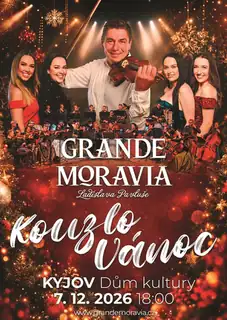 45concertMon 7.12.Grande Moravia Ladislava Pavluše - The Magic of Christmas
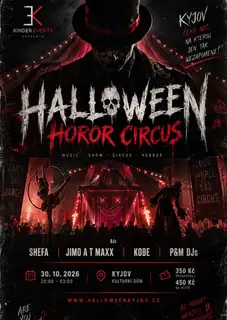 43clubFri 30.10.Halloween Horror Circus