The Match Girl

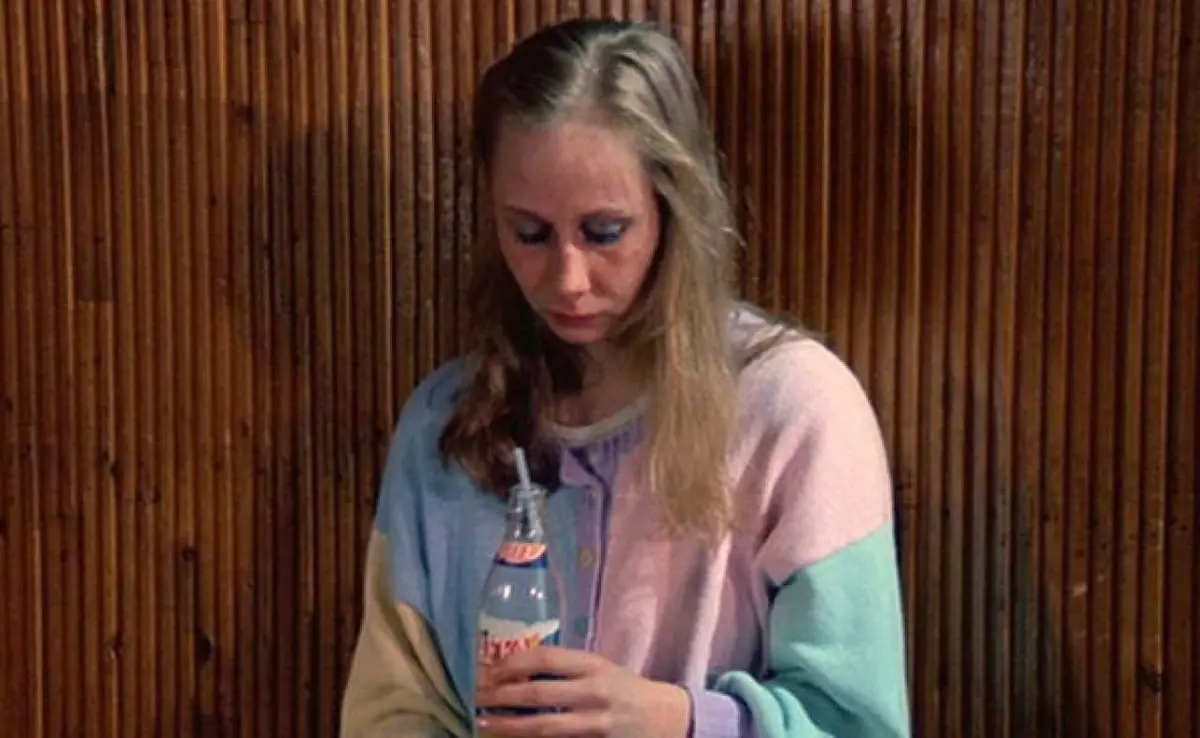
In the 1980s, Finnish filmmakers often spoke of a shortage of good stories as a problem for Finnish cinema. Aki Kaurismäki then thought that the basis for a film might be something as simple as an ordinary matchstick: where are they made? In some factory. Who makes them? Perhaps some girl. Where does she go after work? Maybe home. What awaits her? Maybe a troubled father. From this elementary chain of thought emerges, in the end, a drama of almost classical proportions. The film contains, even for Kaurismäki's work, remarkably few lines of dialogue - the first is spoken only after nine minutes: "One small beer."
From Hans Christian Andersen's fairy tale about a poor match girl who finds freedom from the world's suffering on the last day of the year, Kaurismäki took primarily the figure of a girl bound to matches. The main character, Iris, works, as the title suggests, in a match factory. Otherwise, she fits squarely into the Kaurismäki type: though an adult, she still lives with her parents, escaping life's monotony through romance novels and occasional visits to a dance hall.
One day she meets the man of her dreams - only to discover he bears no resemblance to the hero of her escape literature. Iris cannot forgive the disappointment. Unlike Andersen's girl, whose life ends in near-total stillness, the film's Iris decides to act. Revenge born of shattered illusions seems both pathetic and inappropriate, yet it is precisely the protagonist's determination - pulling her from her deadening stillness - that gives the film its genuinely dramatic power.
Films · Prague 90 in the next 30 days →
 94cinemaTue 11.8.The Matrix
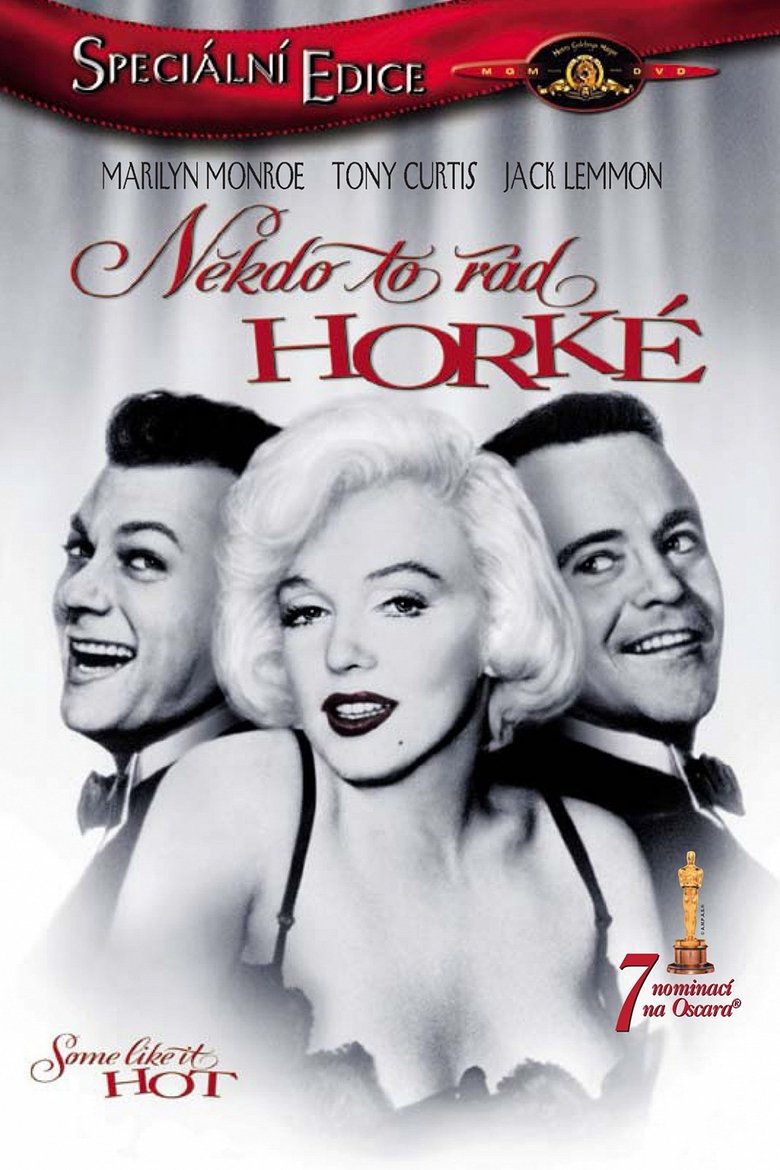 83cinemaSun 9.8.Some Like It Hot
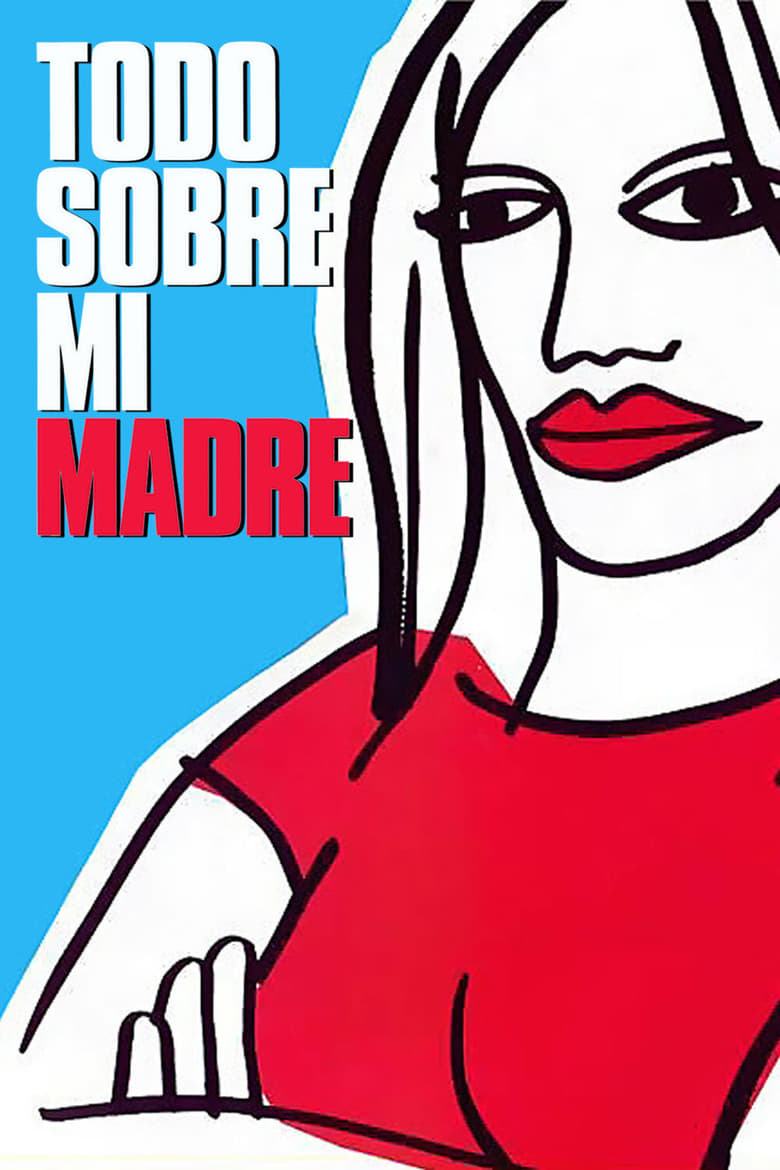 83cinemaWed 12.8.All About My Mother
 82cinemaSun 9.8.Persona
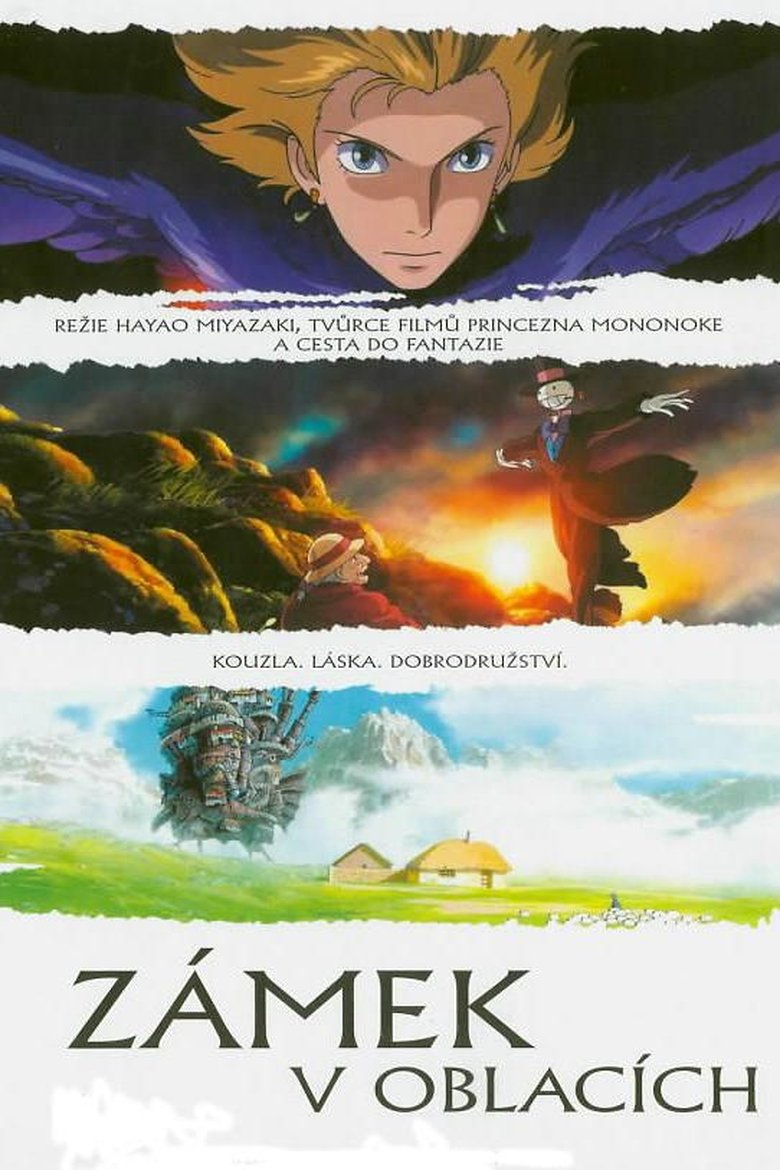 82cinemaThu 13.8.Howl's Moving Castle
 81cinemaSat 8.8.A Jump into the Wild
 79cinemaMon 10.8.The Odyssey
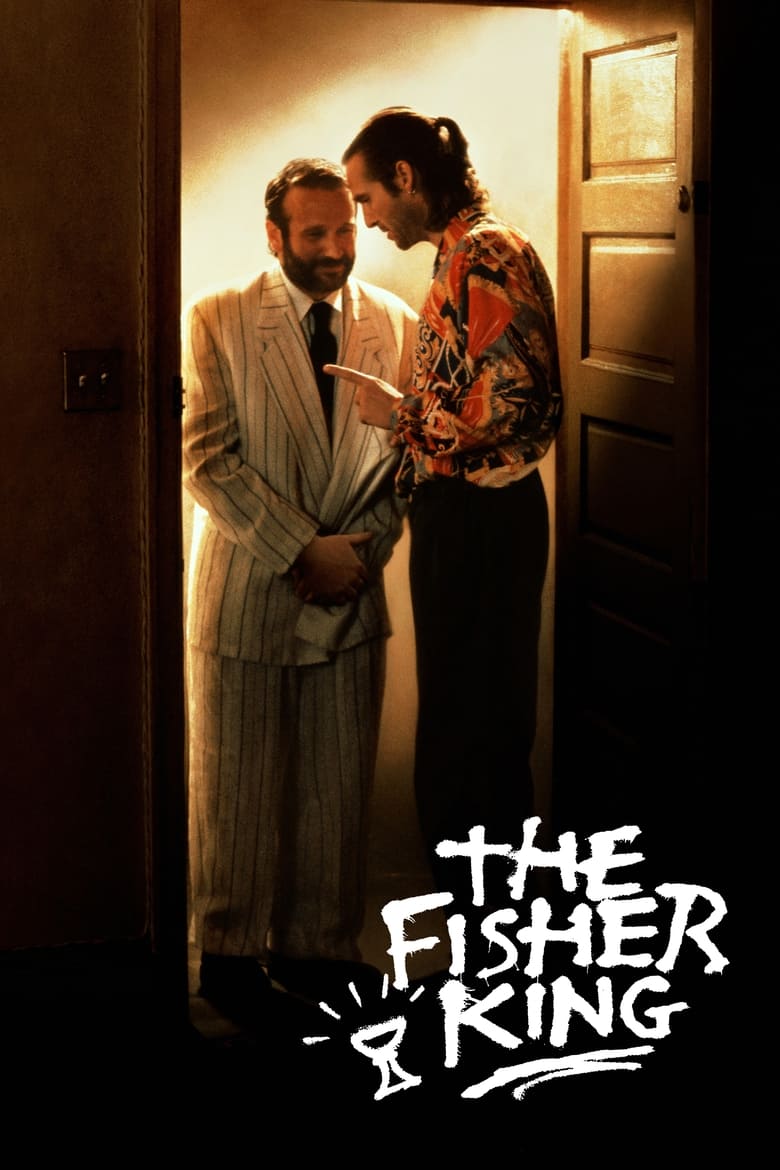 79cinemaMon 10.8.The Fisher King
 77cinemaSat 8.8.Pusher II
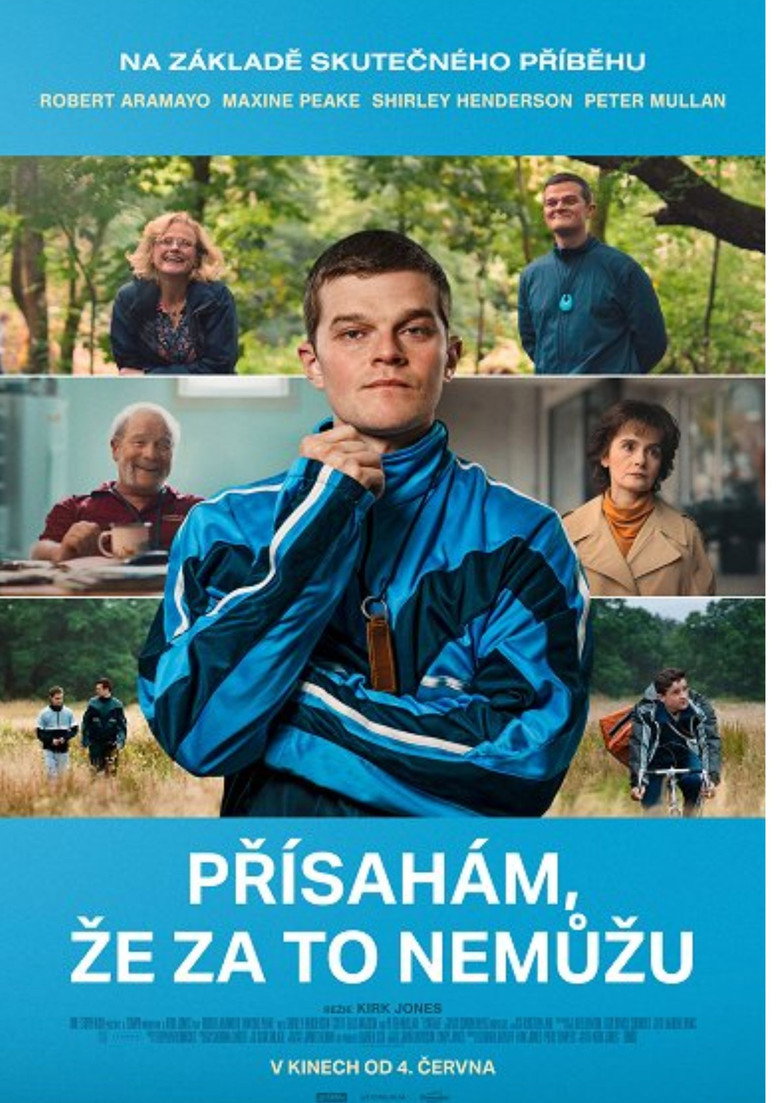 74cinemaTue 4.8.I Swear
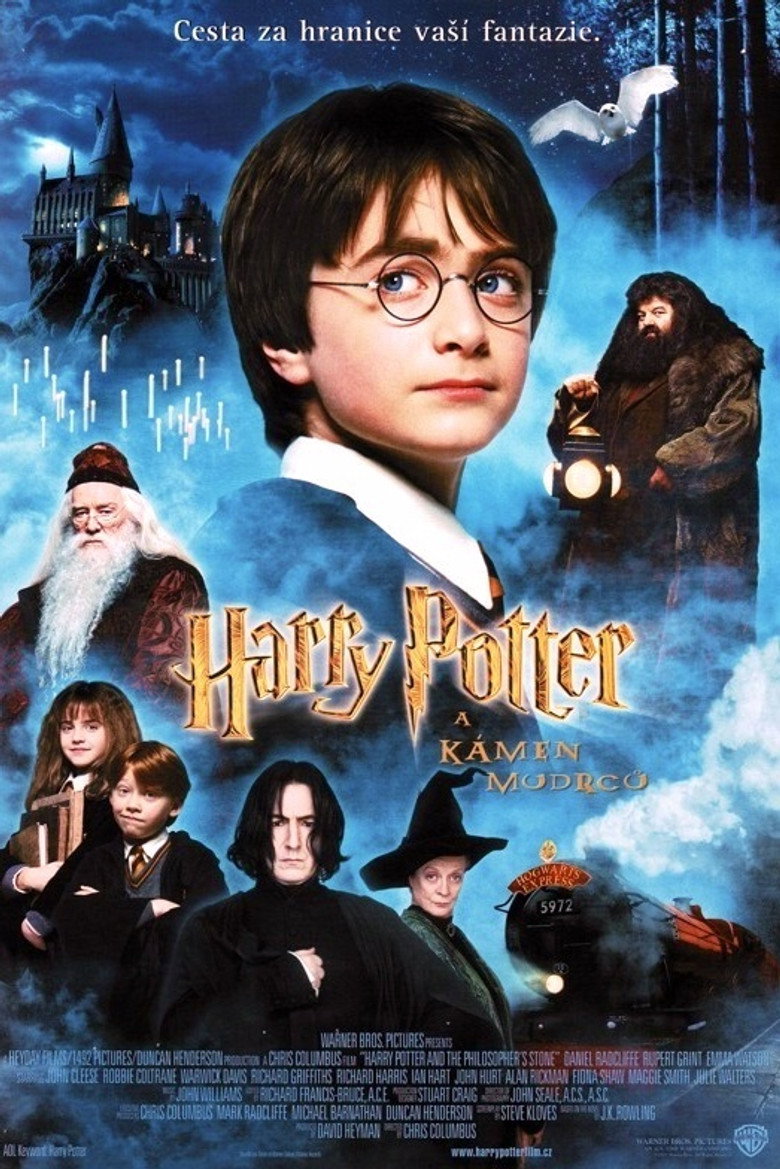 74cinemaThu 27.8.Harry Potter and the Philosopher's Stone
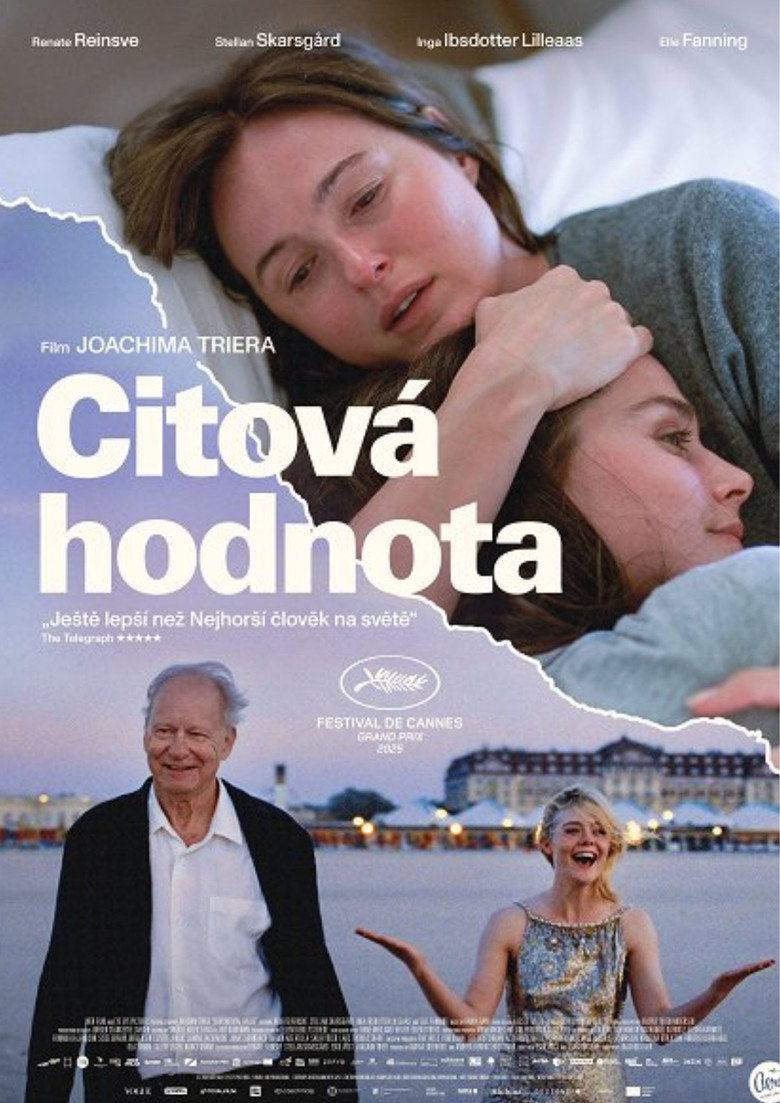 72cinemaSat 8.8.Sentimental Value