Prague: Seat of Diplomats I - Hradčany and Malá Strana
A guided walk around several historic buildings connected to the history of diplomacy in the Czech lands.
The meeting point is at Loretánské náměstí in front of the Černín Palace. Its founder, Humprecht Jan Czernin, was active in diplomacy and served as an imperial envoy in Venice - the palace's construction was inspired by Italian Baroque architecture. During the First Czechoslovak Republic, the palace became the seat of the Ministry of Foreign Affairs, where later President Edvard Beneš and Jan Masaryk served as ministers. Masaryk tragically died here. Participants will learn about the fates of these figures and significant events that took place in the palace in recent history.
The route continues to a villa on Úvoz street, now the seat of the Swedish embassy. Participants will recall the family of the original owners, whose members became victims of Nazi and later Communist regimes. The promenade named after Raoul Wallenberg, the Swedish diplomat who saved Jewish lives in Hungary during World War II, offers one of Prague's most beautiful views. From there, the walk descends to Malá Strana.
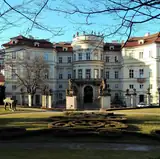
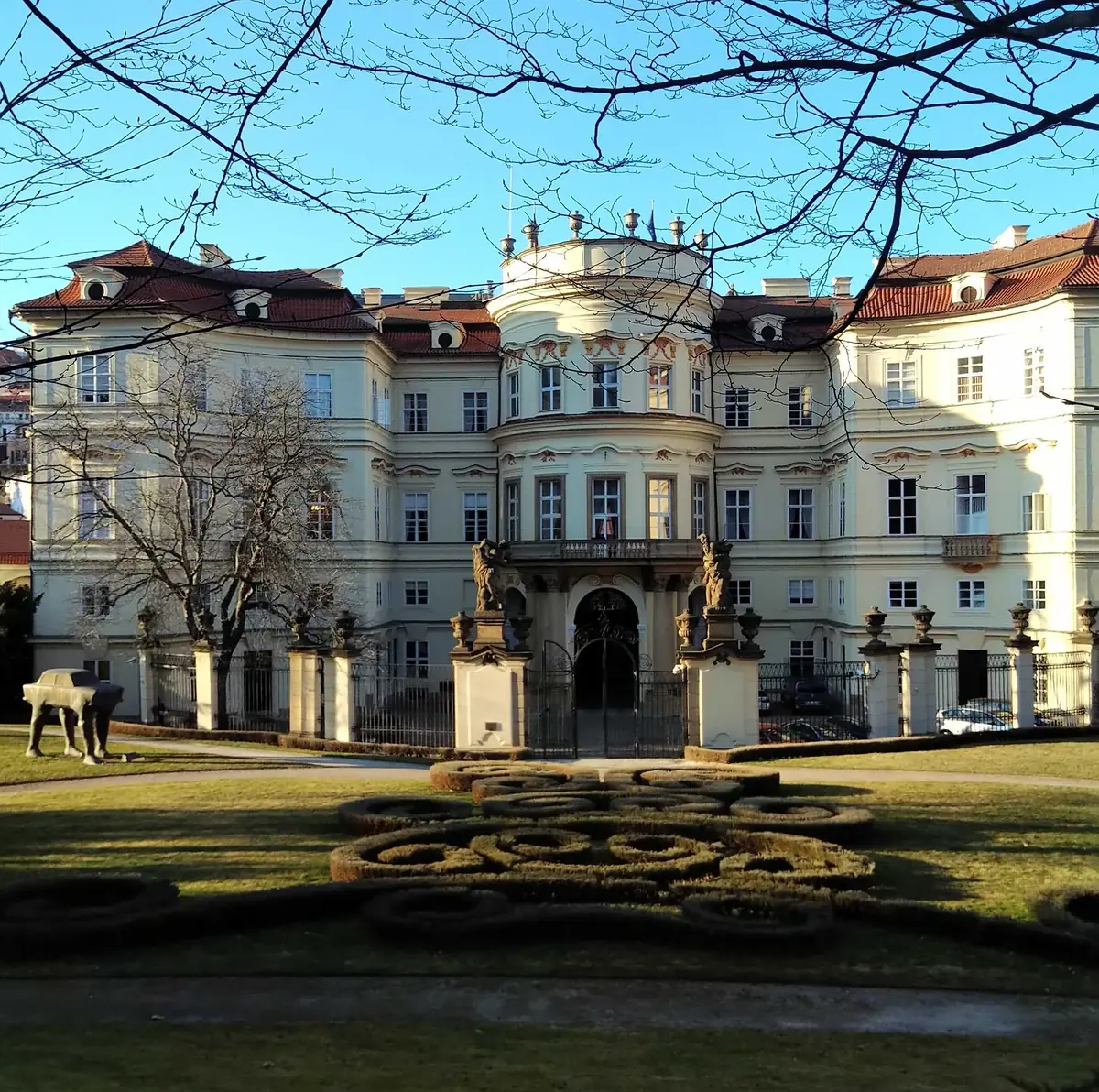
At Lobkowicz Palace on Malá Strana, seat of the German Federal Republic's embassy, participants will see Baroque architecture and glimpse the garden where on September 30, 1989, East German citizens heard news they could travel to West Germany. A stop at Schönborn Palace, now the US embassy, recalls the Crane family, from which came the first American envoy to Czechoslovakia, who played a role in relations between the two countries during the founding and formation of the First Republic. On Nerudova street, the walk stops at Morzin Palace, now the Romanian embassy, and at a palace that once housed the Kolowrat and Thun-Hohenstein families and now hosts the Italian embassy; both buildings are adorned with works of Baroque sculptural masters.
Practical information:
- Meeting point: in front of the building
Lectures · Prague 308 in the next 30 days →
 60lectureSat 16.1.Wired Up - Wire Bonsai Workshop
 59lectureMon 23.11.The Music Digest
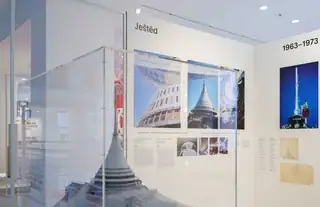 55lectureSat 24.10.In the Exhibition for an Hour: Czechoslovak Architecture of the Second Half of the 20th Century
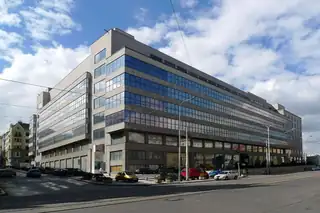 52lectureSat 17.10.FRIENDS CLUB From the Life of NGP: The Curator
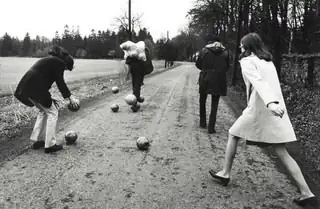 52lectureSun 18.10.Participatory Art Mediation 5: Body Between Freedom and Power
 52lectureTue 20.10.CAMP Point: Výstaviště
 100concertMon 14.12.Bryan Adams at Prague
 100concertSun 15.11.Placebo
 100concertSat 6.2.Editors (UK)
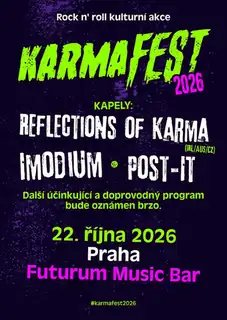 95festivalThu 22.10.KarmaFest Mini Praha 2026
 95festivalFri 19.3.Black Night Sorceries MMXXVII
 100concertThu 21.1.Manowar Kings of Metal (Prague)