Day for Night

"Making a film is an obsession that lives in every fiber of my body. I eat film, I drink film, I sleep film." David Fincher (2012)
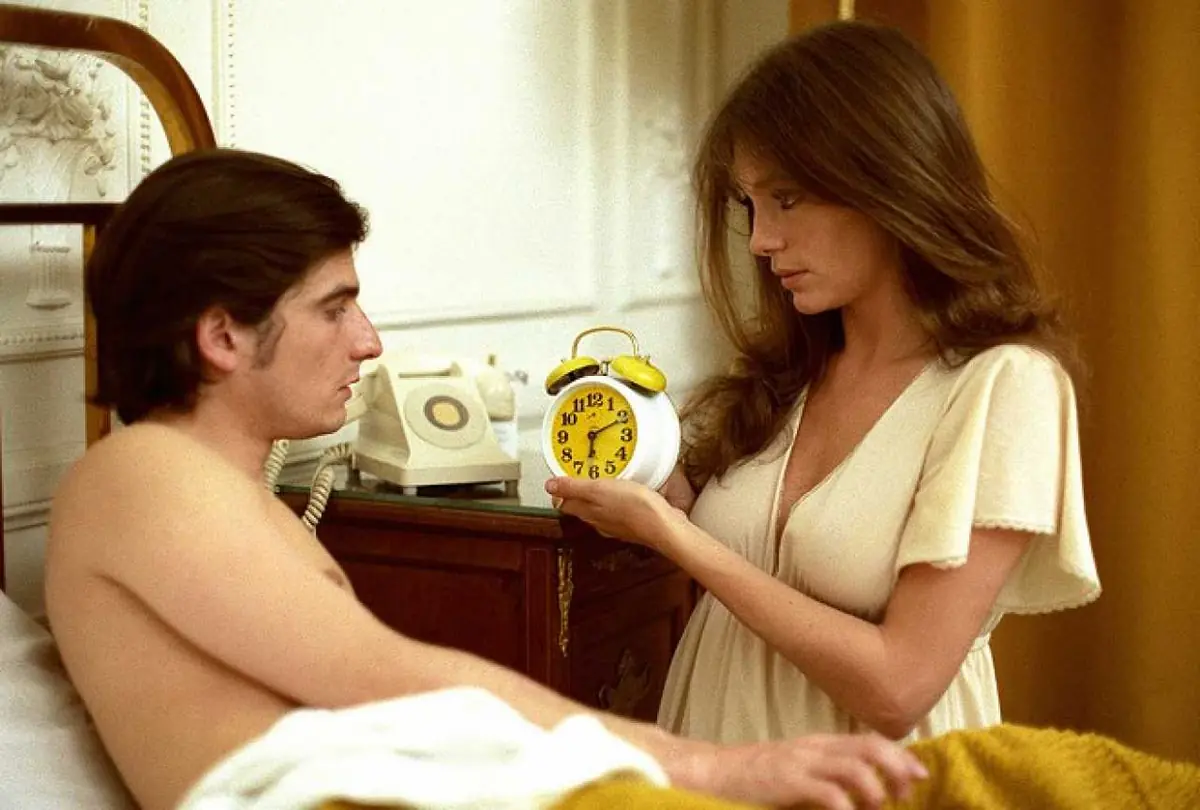
Fiction films about the making of movies number in the hundreds. "Day for Night", dedicated to Griffith's muses and the Gish sisters, ranks not only among the most entertaining, but is undoubtedly the most "contagious" - a fact confirmed by countless filmmakers worldwide. The misunderstood secret of "Day for Night" lies not so much in a love of cinema as in love itself. An altar is built to it, and in its name a kind of worship is performed, where it is preached: "I could leave a man for a film, but never a film for a man." Throughout, we watch a film being made, yet even when we drive down a street, it must be Rue Jean Vigo; on television, a film-history quiz happens to be playing; and an exhausted director, in his nighttime dreams, becomes again a boy stealing photographs from the cinema window - in the name of Saint Orson W. Then there is that brief scene where the viewer, breath held and accompanied by intimate music, watches the director unwrap a fresh shipment of film literature and lets the names of kings parade before us. Only young Monsieur Léaud, alias Alphonse, has a completely different obsession: "Is there something magical in women?" - and he is determined to find out, with all the intensity of his youth. His director, by contrast, we see lying alone in the film. And into the darkness of his American nights shines: cinema, cinema, cinema...!
Films · Prague 60 in the next 30 days →
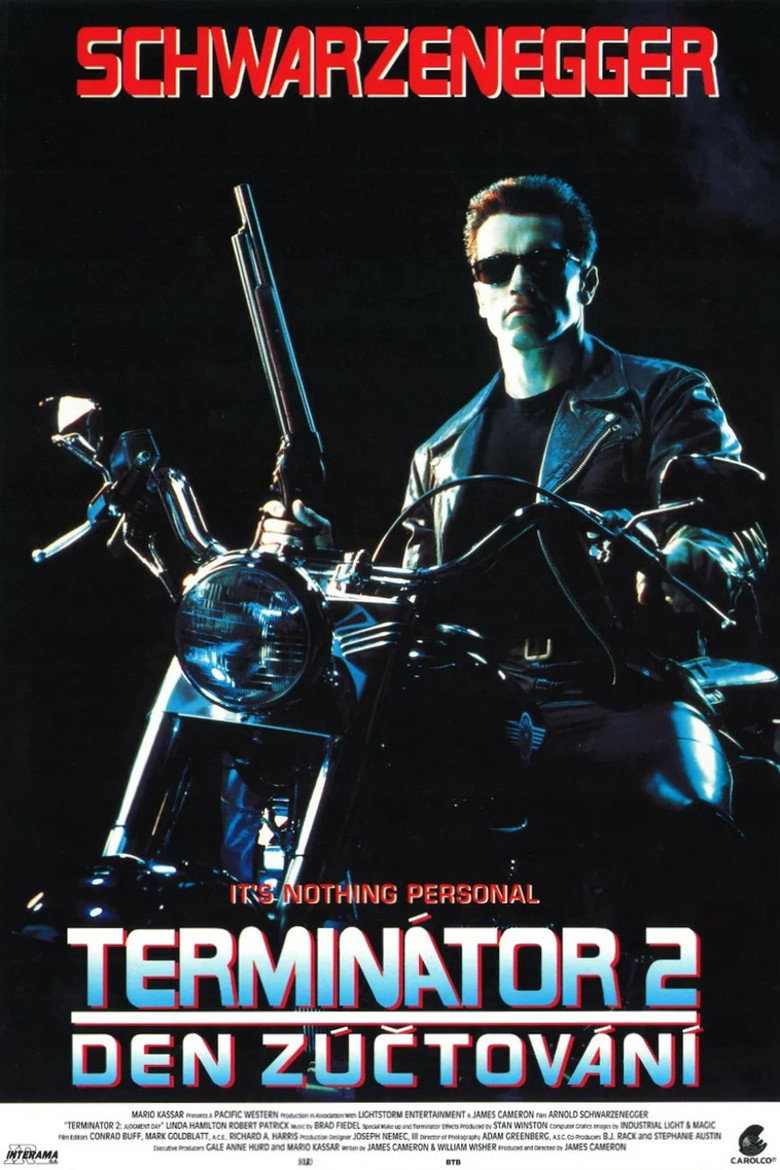 82cinemaFri 23.10.Terminator 2: Judgment Day
 73cinemaSat 24.10.Arthur the King
 73cinemaWed 11.11.The Departed
 72cinemaWed 28.10.The Witches
 67cinemaThu 22.10.Sense and Sensibility
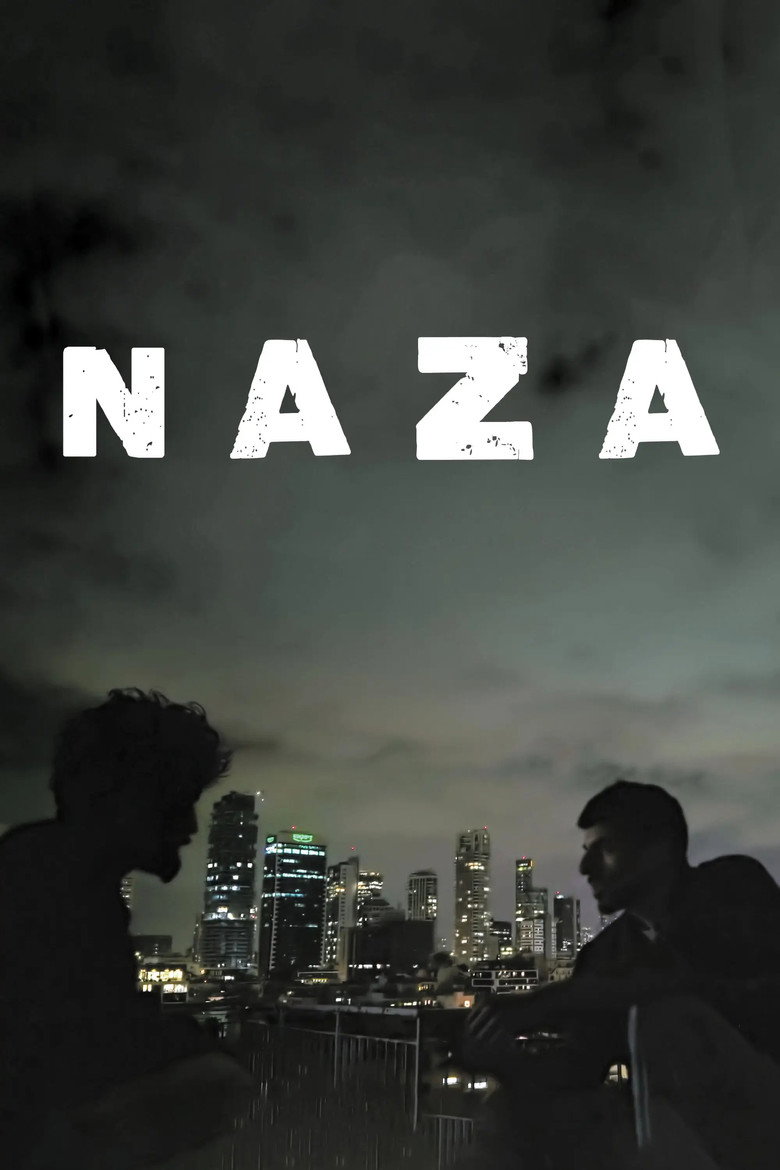 66cinemaTue 13.10.NAZA
 64cinemaWed 28.10.No Time to Die
 63cinemaMon 12.10.Dunkirk
 63cinemaThu 22.10.Good Boy
 63cinemaSat 24.10.Wolfs
 63cinemaWed 9.12.I Vitelloni
 63cinemaWed 14.4.In Bruges