This Town Is Not for Long-Haired People! | Guided Walk
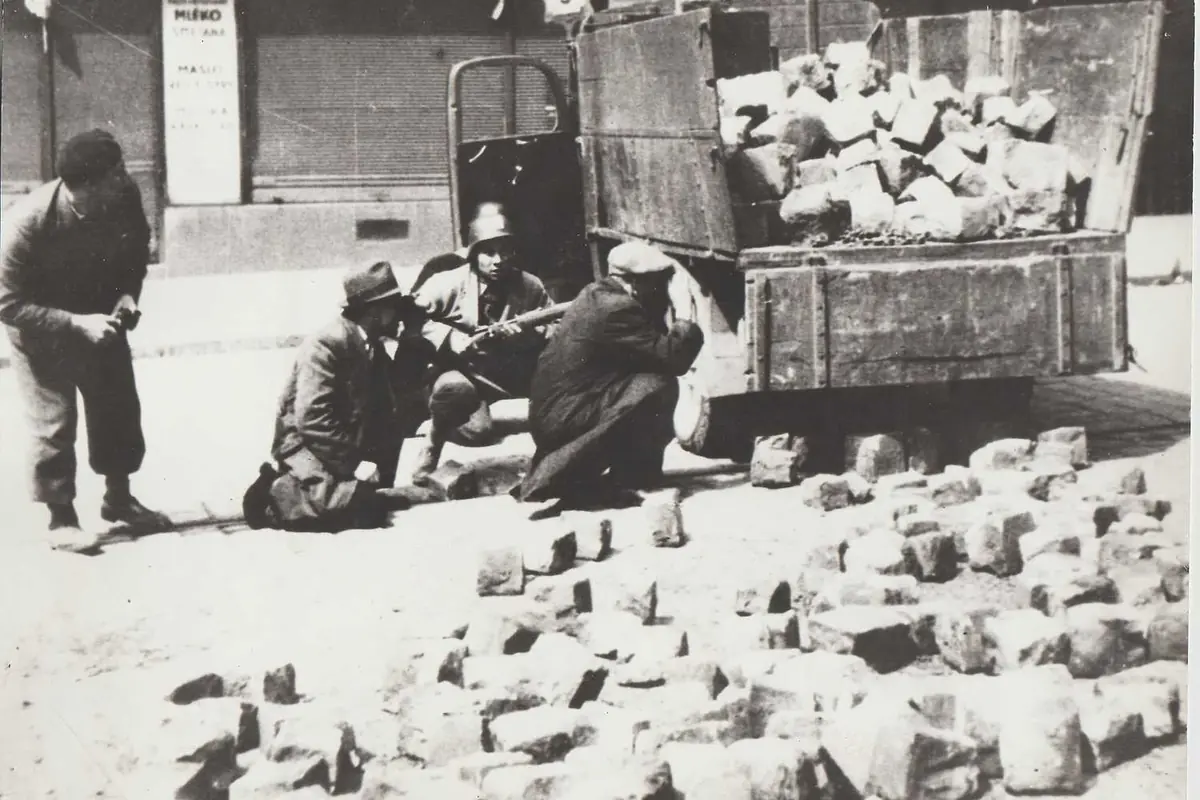
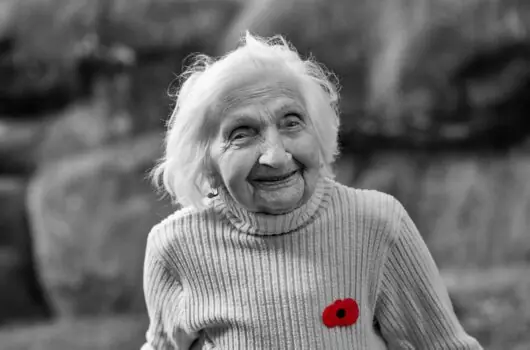
A guided walk with Olga Futerová Macáková recalls the 1974 Rudolfov massacre and places connected with the České Budějovice underground.
The regional branch of the nonprofit Post Bellum has been active in South Bohemia since 2019. It records interviews with eyewitnesses - in its first four years it documented nearly 200 South Bohemian stories, covering Holocaust survivors, war veterans, and people whose lives were shaped by Communist rule. Alongside its documentary work, the branch organises exhibitions, public talks, and school education projects including the Stories of Our Neighbours programme.
náměstí Přemysla Otakara II. 79/21, 370 01 České Budějovice
Opening hours follow the event programme

Historian Jan Ciglbauer leads a walk through České Budějovice during the First World War, from departures for the front to protests and the fall of the monarchy.

A conversation with Barbora Šťastná, author of the Memory of the Nation project, about turning witness testimonies into compelling narratives.

A lecture exploring Václav Havel's life through the lens of his family history and relatives.

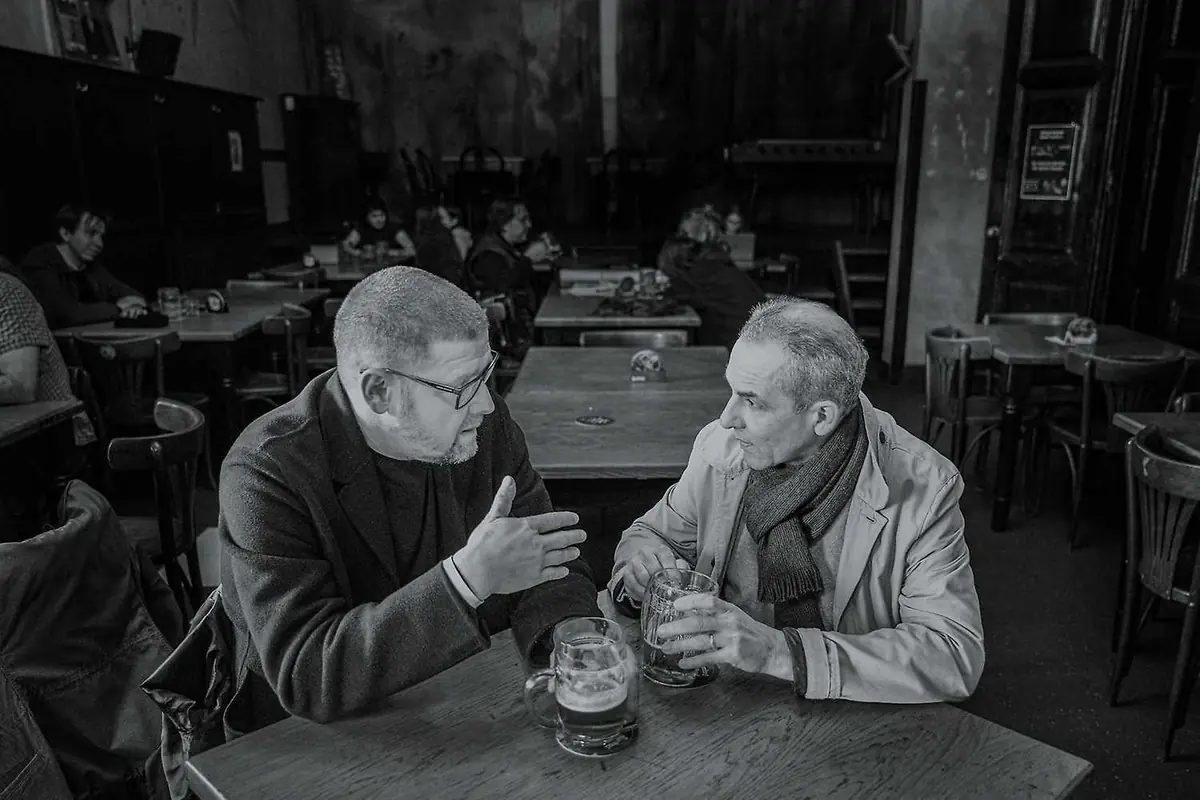
A discussion about the persecution of believers in socialist Czechoslovakia, featuring witnesses including underground pastor Ladislav Heryán and nun Angelika Ivana Pintířová.

Launch of an application about the Klepy Jewish magazine, documenting Jewish history and culture.

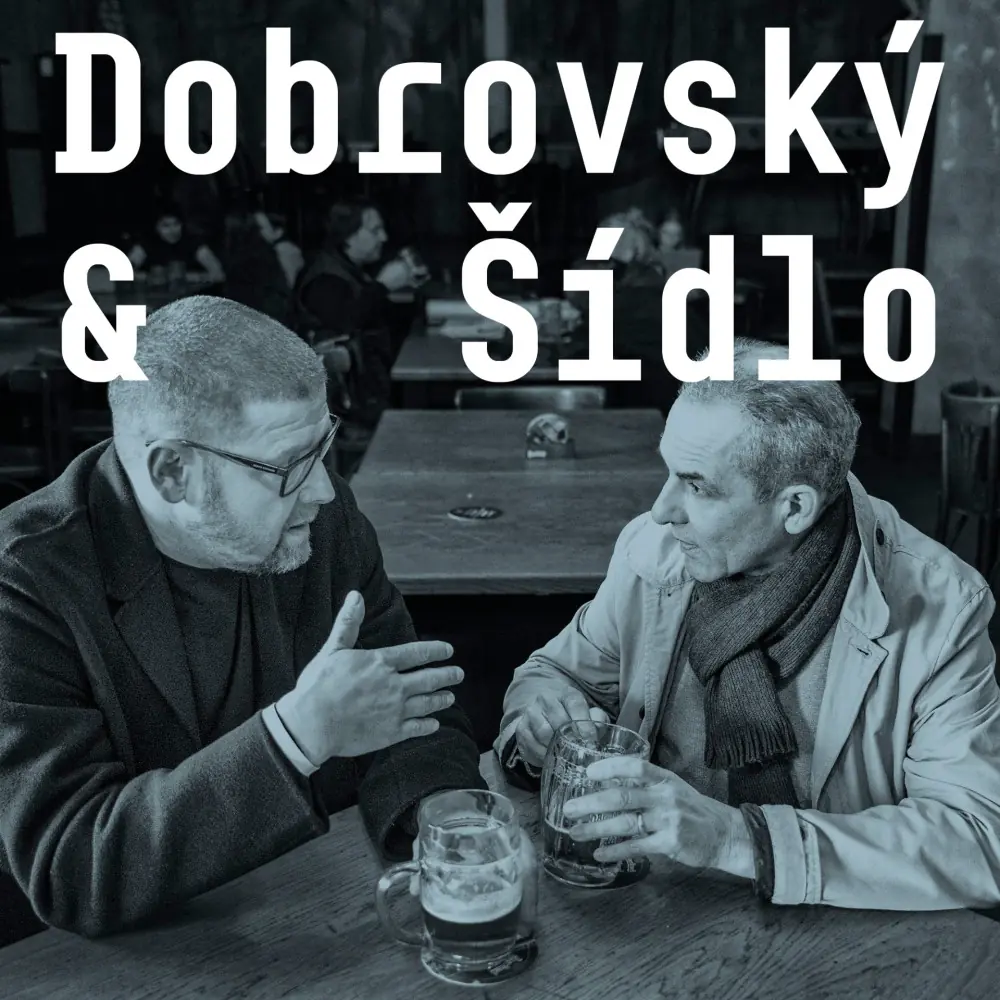
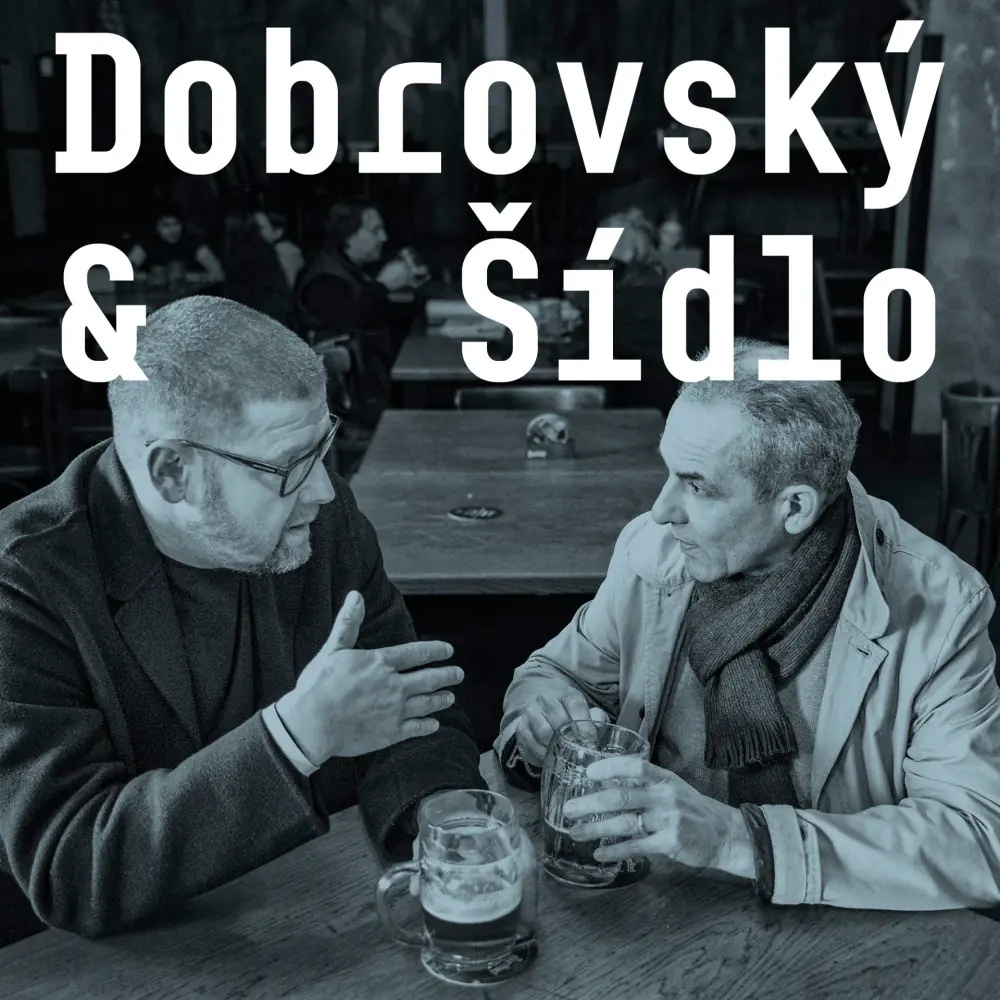
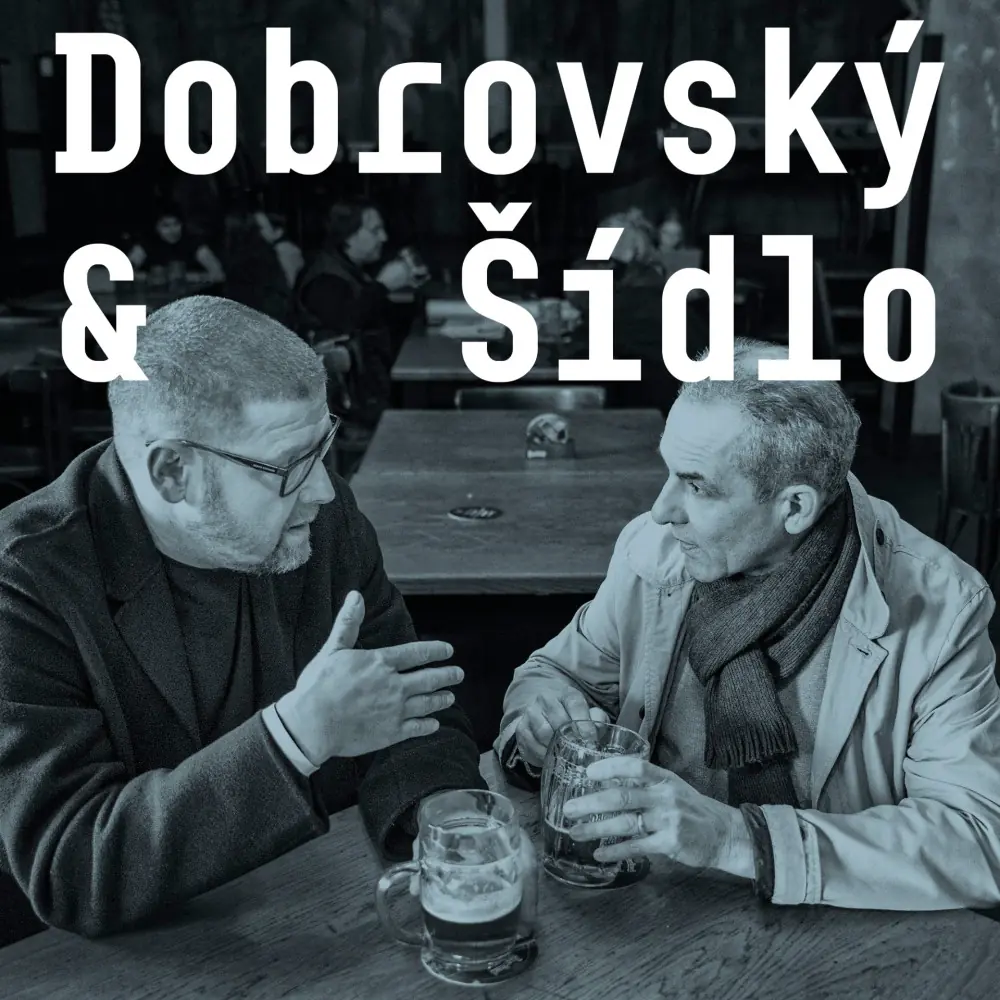
A podcast recording with Jan Dobrovský, chairman of the Memory of the Nation College, and journalist Jindřich Šídlo exploring Czech politics and history from the 1990s onward.
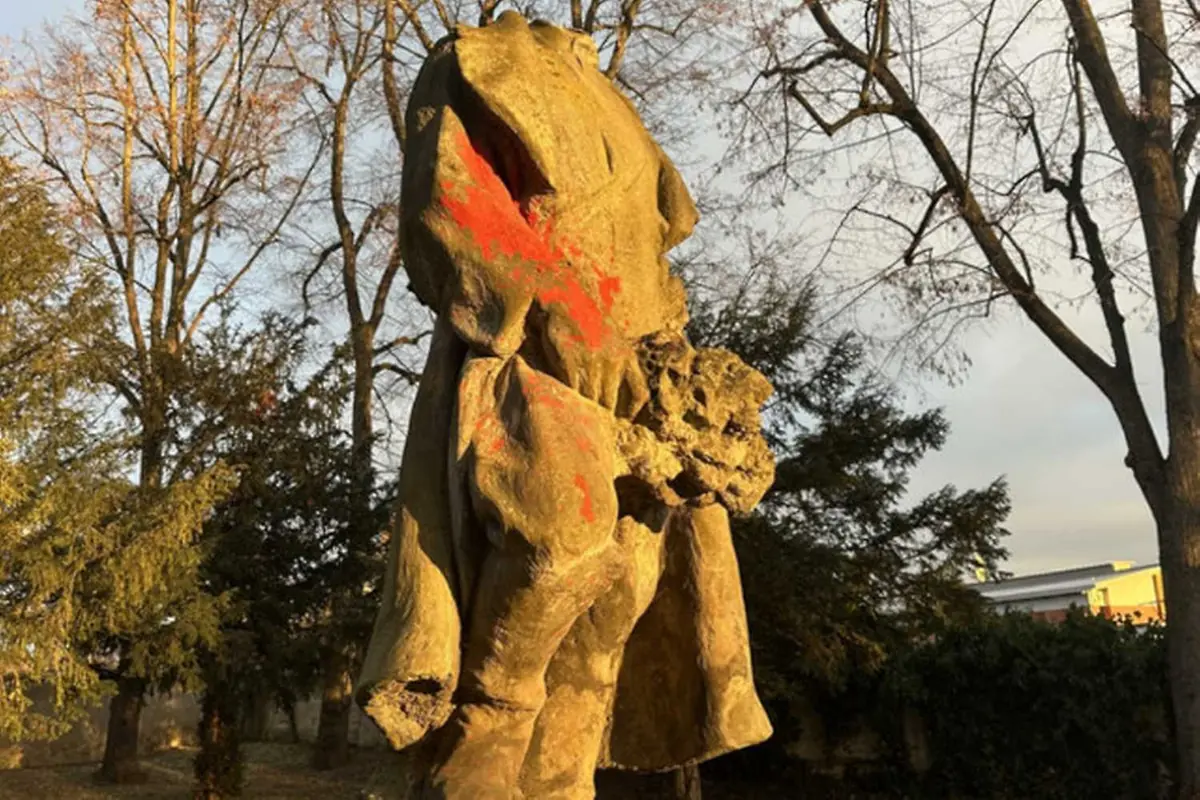
A lecture exploring how Russia's war on Ukraine is reshaping Czech memory of Soviet monuments and raising questions about which historical narratives deserve preservation.
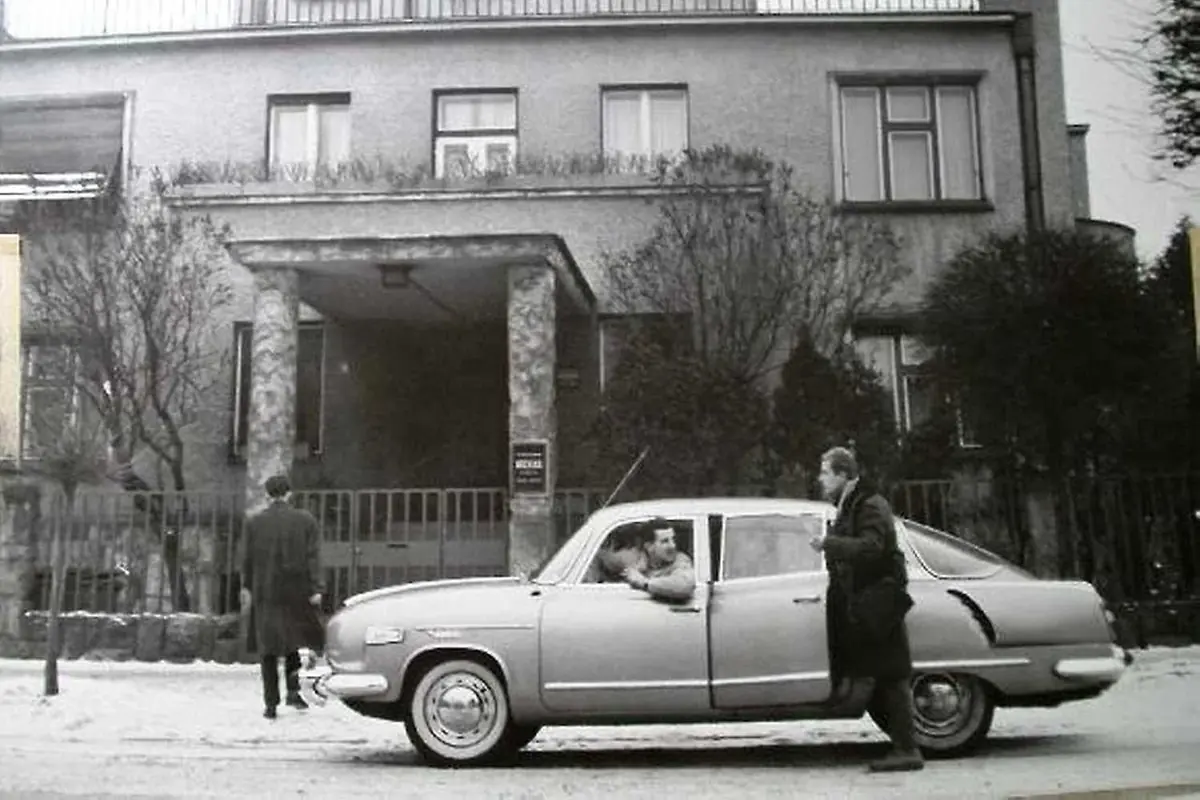
A guided tour of the historic Kende Villa in České Budějovice, organized by Post Bellum.

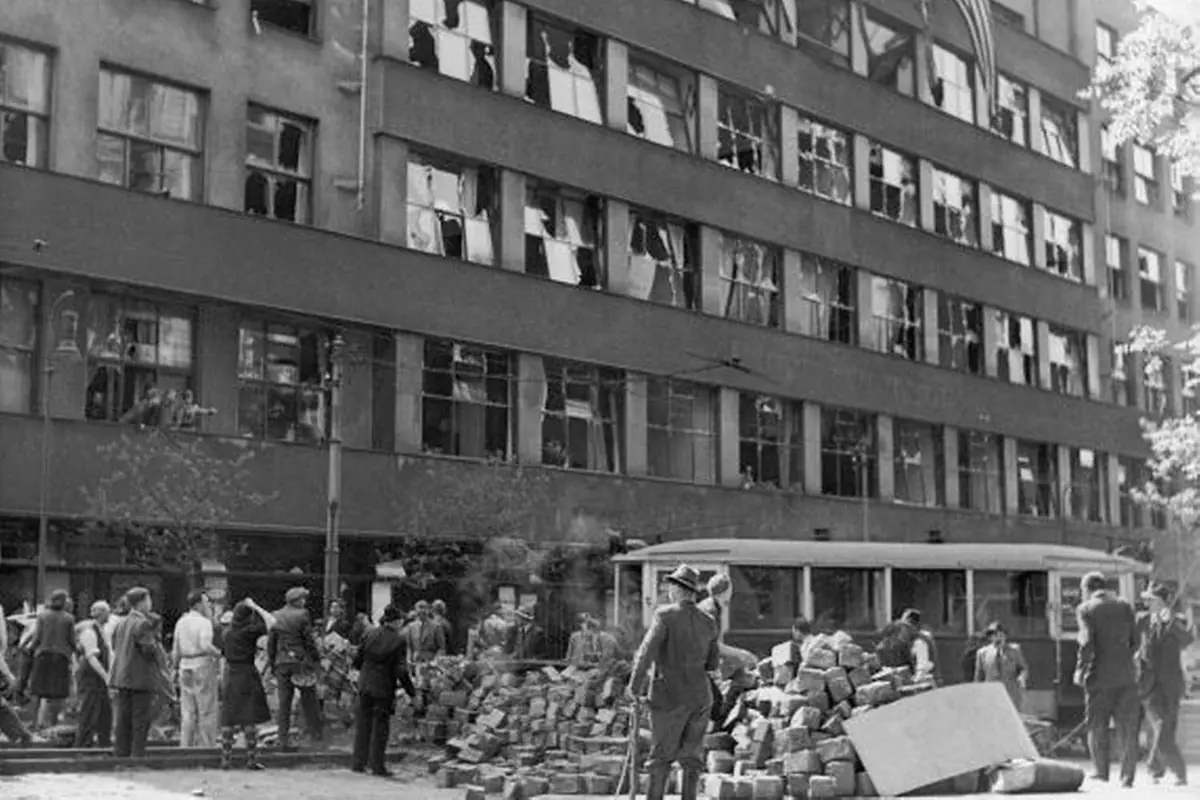
A guided tour with documentary filmmaker František Štambera exploring Prague Uprising sites and resistance fighters' homes in the Vinohrady district.

A lecture exploring the relevance of Václav Havel's philosophy to contemporary life and how his ideas apply to today's world.

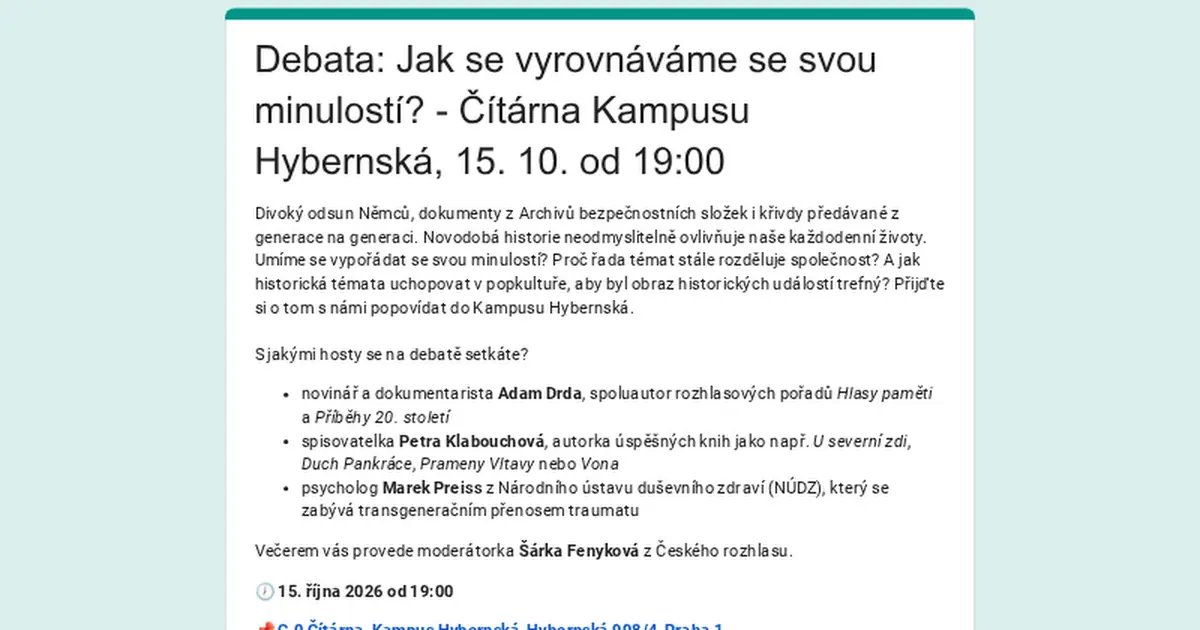
A debate exploring how Czech society grapples with its complex past - from the expulsion of Germans to archival records and intergenerational trauma.

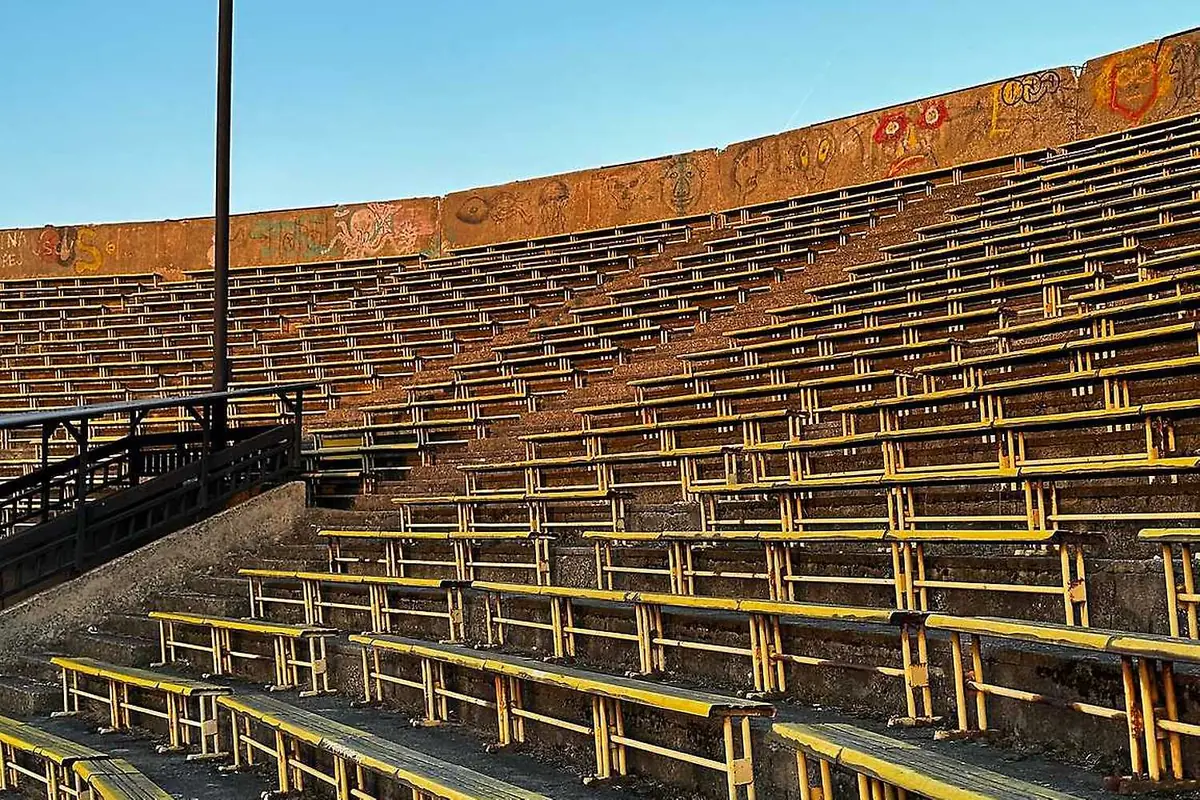
A guided tour of Prague's iconic Strahov Stadium, exploring its role in Sokol festivals, communist-era spartakiads, and the turbulent events of the 20th century.

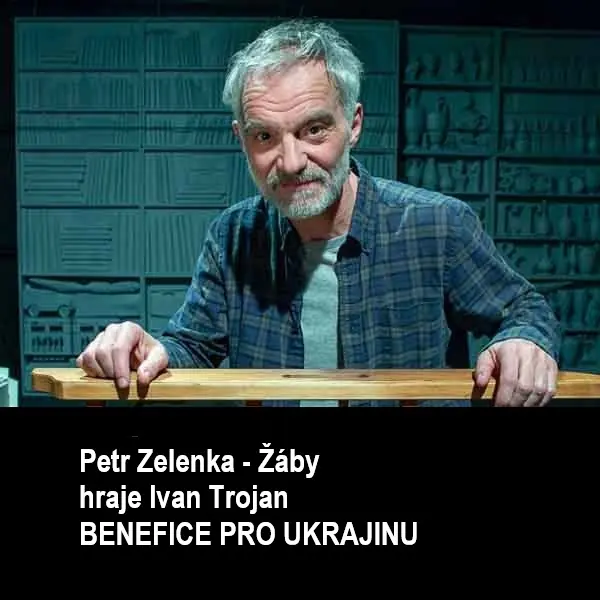
A charity performance featuring Ivan Trojan in Petr Zelenka's monodrama "Frogs", with proceeds supporting Ukraine.

A debate on the relationship between historical accuracy and cinematic storytelling, featuring director Tomáš Mašín, actor Josef Trojan and historian Petr Blažek.

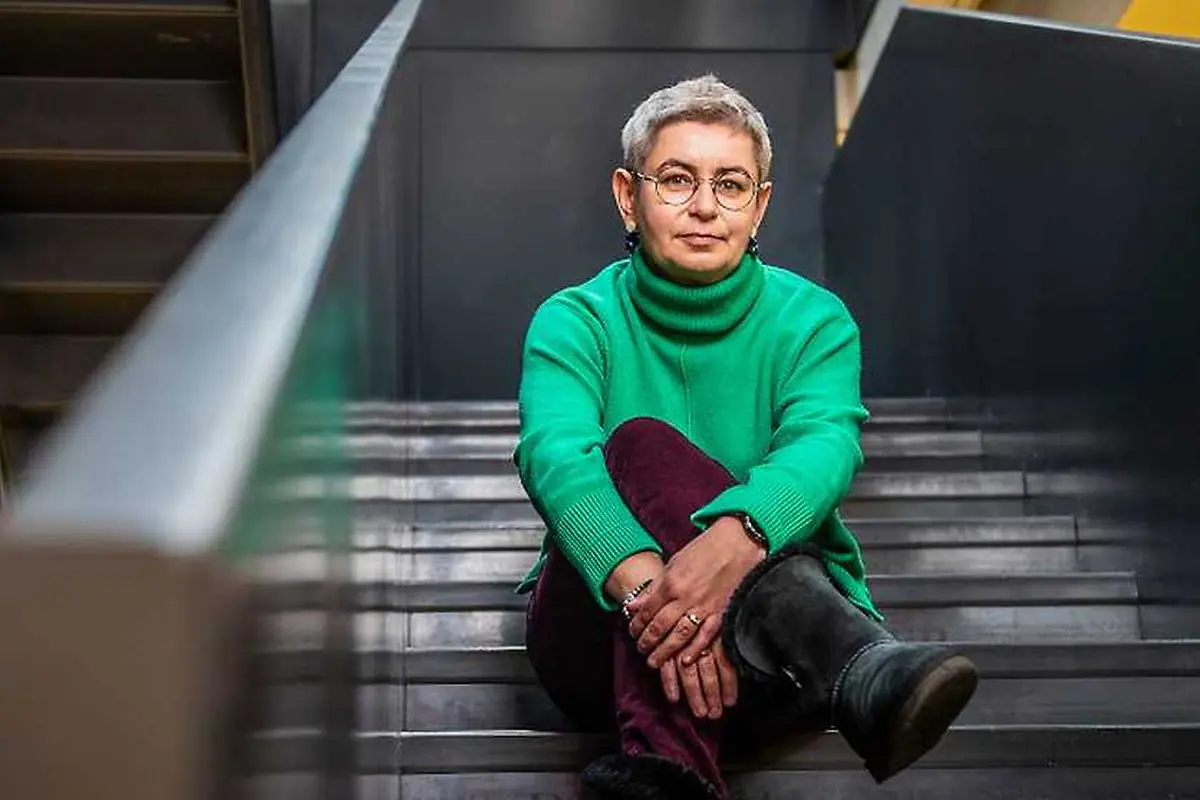
A talk with Russian journalist and activist Alsu Kurmasheva about exile, repression and uncertainty. Personal testimony from a Russian prison and the story of transnational political persecution.

Historian Leo Pavlát presents the diary of Věra Mahlerová, a Jewish girl from Prague who died in the Holocaust. Her 1941-1942 entries document school, scouting, and life in the Theresienstadt ghetto during Nazi persecution.

Exhibition opening exploring Czech-Dutch connections through personal stories of emigrants, dissidents, and enduring ties between the two nations.

A lecture exploring how the Russian invasion of Ukraine impacts research into Soviet repression and what Soviet archives have revealed about Czechoslovakia.

A traveling exhibition about the 1945 expulsion and resettlement continues a project marking the 80th anniversary of World War II's end and the border changes in Czechoslovakia.
Day with Memory of the Nation in Brno features talks on social change and climate, accompanied by jazz, dixieland, and an interactive exhibition tour.

Memory of the Nation shop stand on Náplavka in České Budějovice offering books and materials on Czech history.

An excursion through the Libavá military training area and abandoned villages, organized by the Friends of Memory of the Nation Club. A journey of discovery into the history of a military zone and deserted settlements.

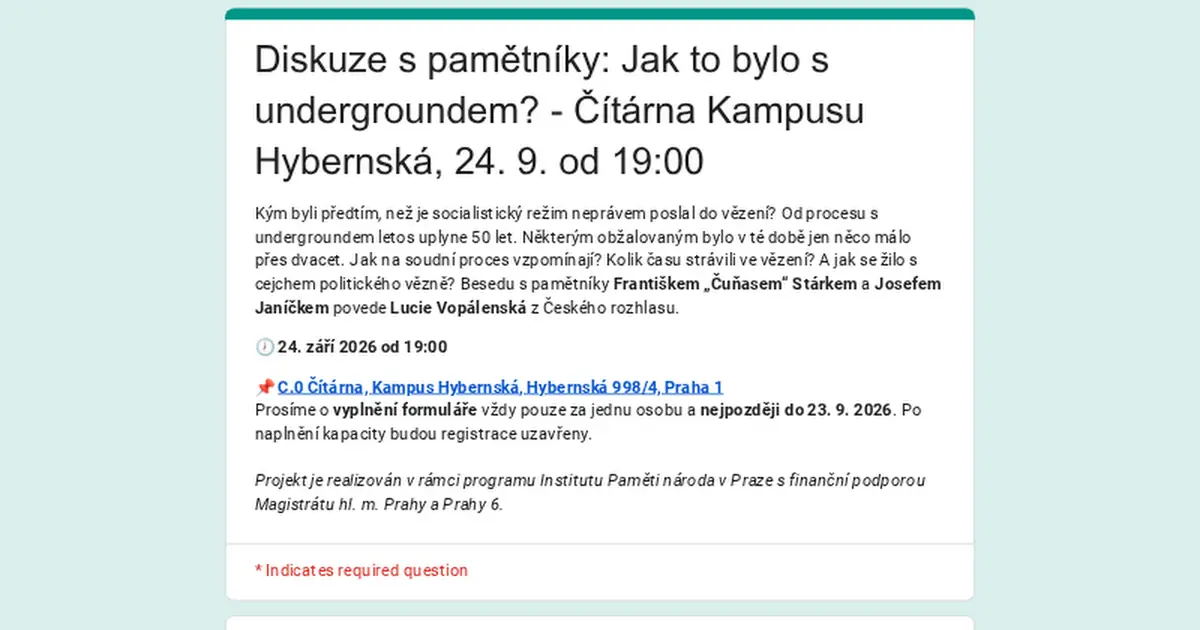
A discussion with witnesses to the 1976 Czech underground trial. Stories of young dissidents who faced court and imprisonment.

A talk about the life of Czech RAF pilot Milan Malý and his role in World War II.

Guided tour of Kende Villa led by Milan Binder. Advance booking required, minimum 10 participants.

A guided tour with a historian exploring sites of resistance and remembrance of totalitarianism's victims in Prague 4.

A lecture exploring the life and legacy of President Emil Hácha and his controversial role during the Nazi occupation of Bohemia and Moravia.

A guided walk through České Budějovice exploring local resistance to communist totalitarianism in the 1950s and the activities of the secret police.

Theatre workshops for all ages begin their winter semester, creating performances based on 20th-century historical stories.

A commemorative gathering honouring the vanished village of Fukov on the Czech-German border, featuring music, community meetings, and historical remembrance.

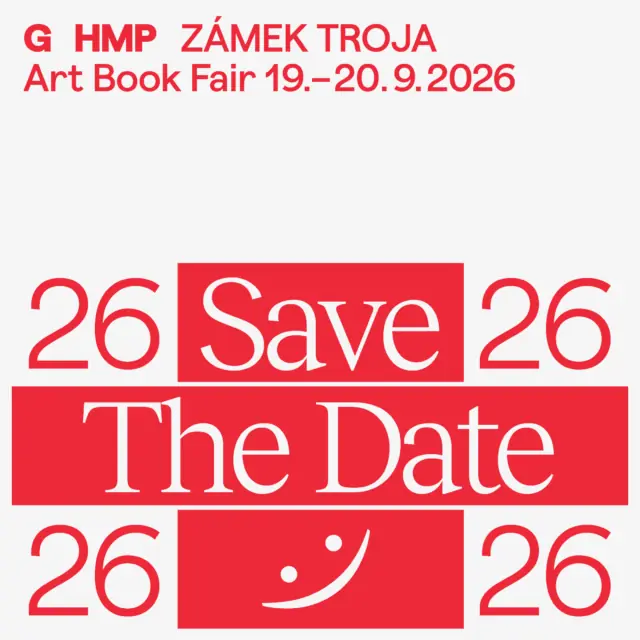
An art book fair featuring the e-shop booth of Paměť národa in České Budějovice.

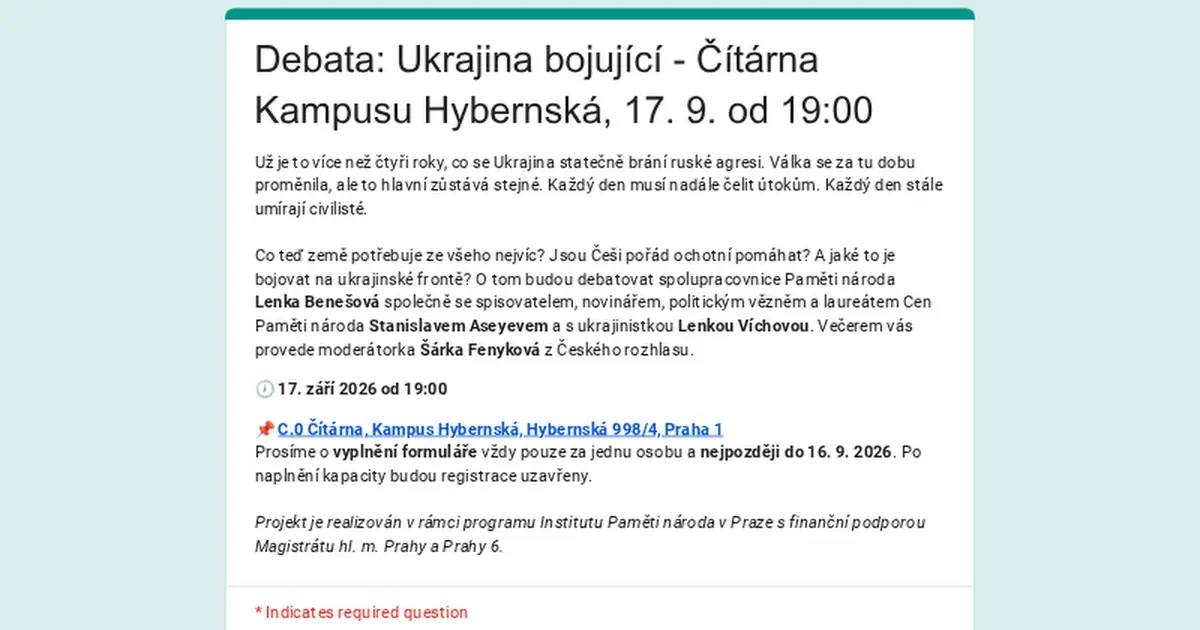
A debate on Ukraine's current situation, Czech support, and firsthand accounts from the front lines.

A festival of freedom marking the 25th anniversary of Post Bellum in the historic Waldstein Garden in Prague.

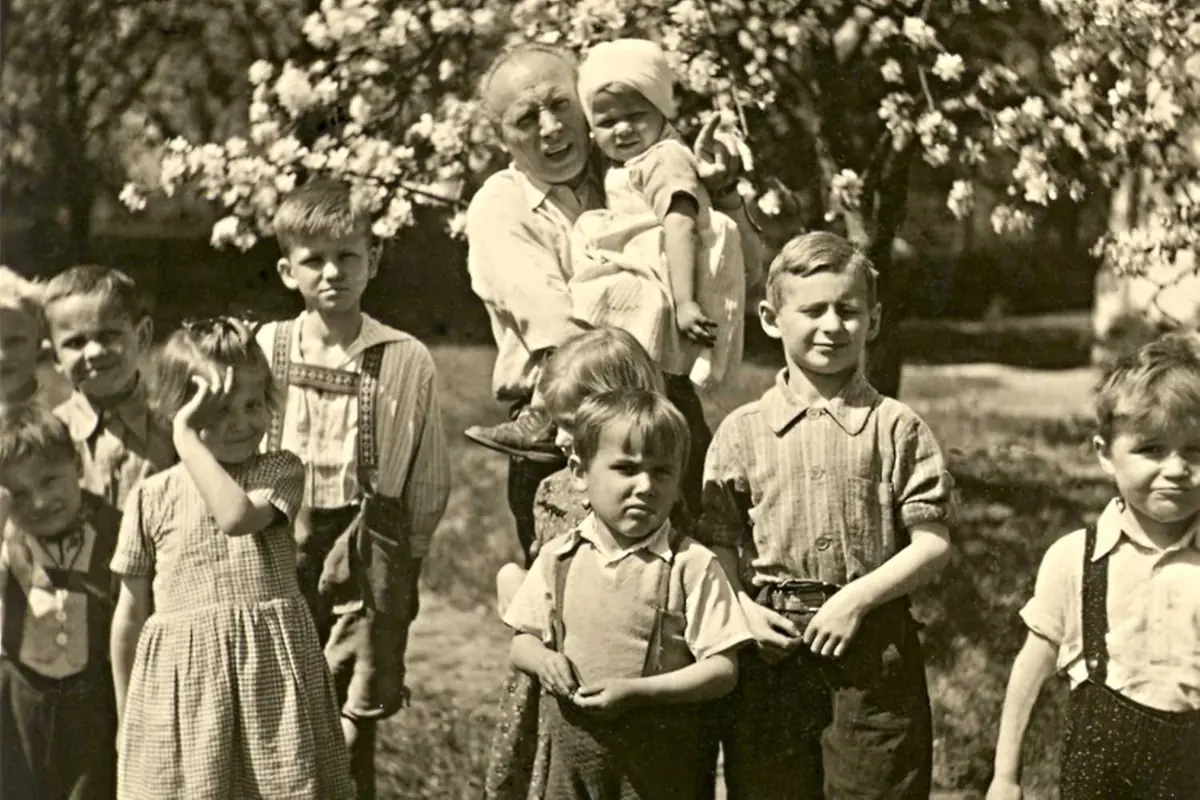
A lecture about Přemysl Pitter, a humanitarian who aided Jewish families during World War II and rescued children from concentration and internment camps.

A theatre piece examining morality, authority, and freedom through the true story of a teenager interrogated by the communist secret police.

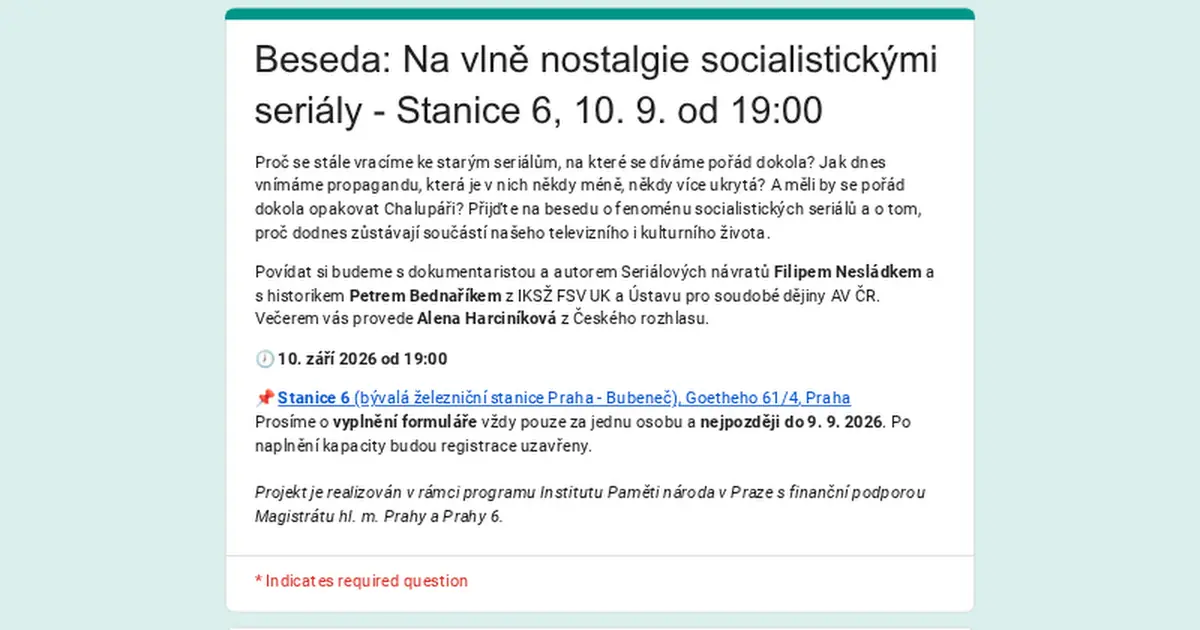
A discussion about Czechoslovak television series and their relationship to nostalgia. Filip Nesládek and Petr Bednařík explore why these programmes continue to captivate audiences and how we interpret the propaganda woven into them.

Opening of a traveling exhibition exploring displacement and resettlement, presented by Post Bellum in partnership with the city of Most.

A lecture exploring the trial of the underground and its role in the events leading to Charter 77, focusing on the 1976 court case against The Plastic People of the Universe.

Opening of the Louny exhibition on expulsion and resettlement in České Budějovice.

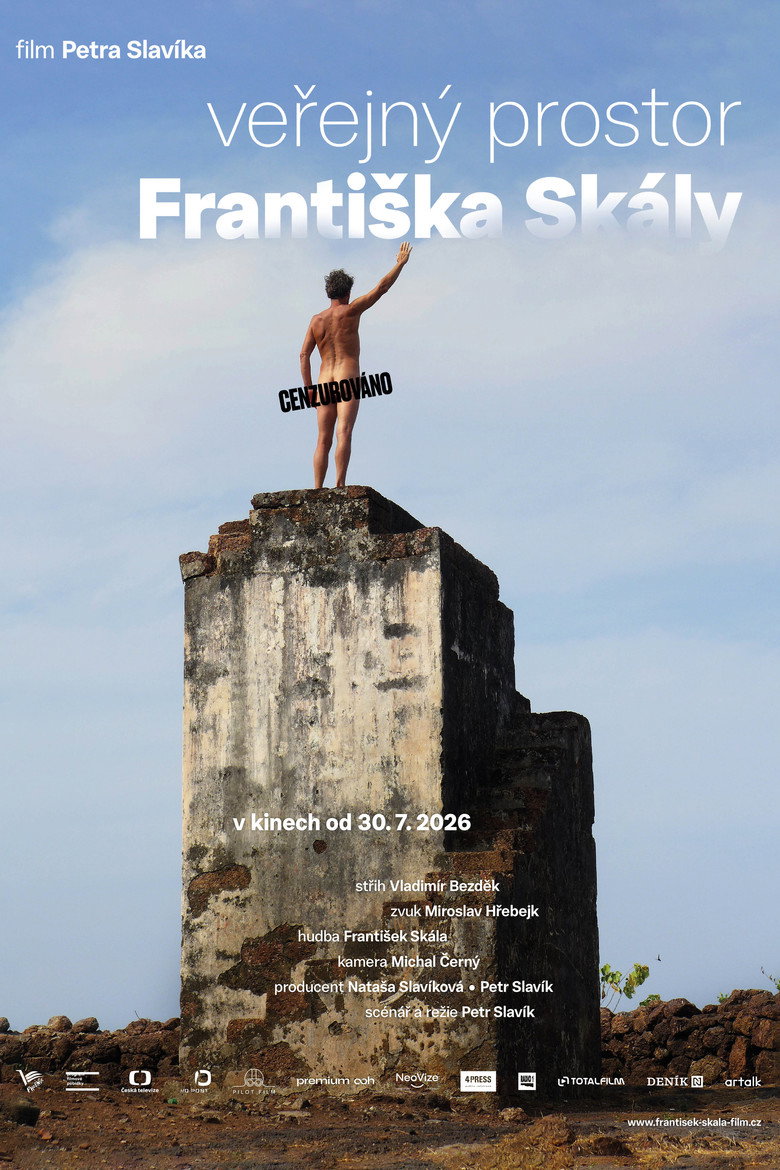
Documentary screening about the public space of František Skála, shown at Strahov Stadium.

A guided tour of the historic Kende Villa in České Budějovice with professional commentary.

A memorial event by Post Bellum dedicated to freedom and independence, held in České Budějovice.

Documentary about uranium mining in northern Bohemia after WWII, followed by a discussion with the filmmakers.

Memory of the Nation e-shop booth at the NeverMore68 event. Discover historical materials and the organization's offerings.

Documentary screening with debate at Strahov Stadium in Prague. Admission 100 CZK.

A memorial action held in front of the Russian Embassy in České Budějovice in support of Ivan Dudy and in solidarity with Ukraine.

Guided tour exploring historic locations in Budějovice from the Protectorate era, covering the outer parts of the city.

A guided walk through Šumava that explores the history of the state border and local heritage.

Documentary screening "Emergency Signal" in České Budějovice. Admission 100 CZK.

A historical walking tour of Ceske Budejovice's city centre exploring the events and history of the Protectorate period.

A guided walk exploring historical sites dedicated to the memory of disappeared people and their fates.

Opening of an exhibition exploring expulsion and resettlement in Žatec. Free admission.

A summer day camp featuring theatre workshops for children in Prague 2.

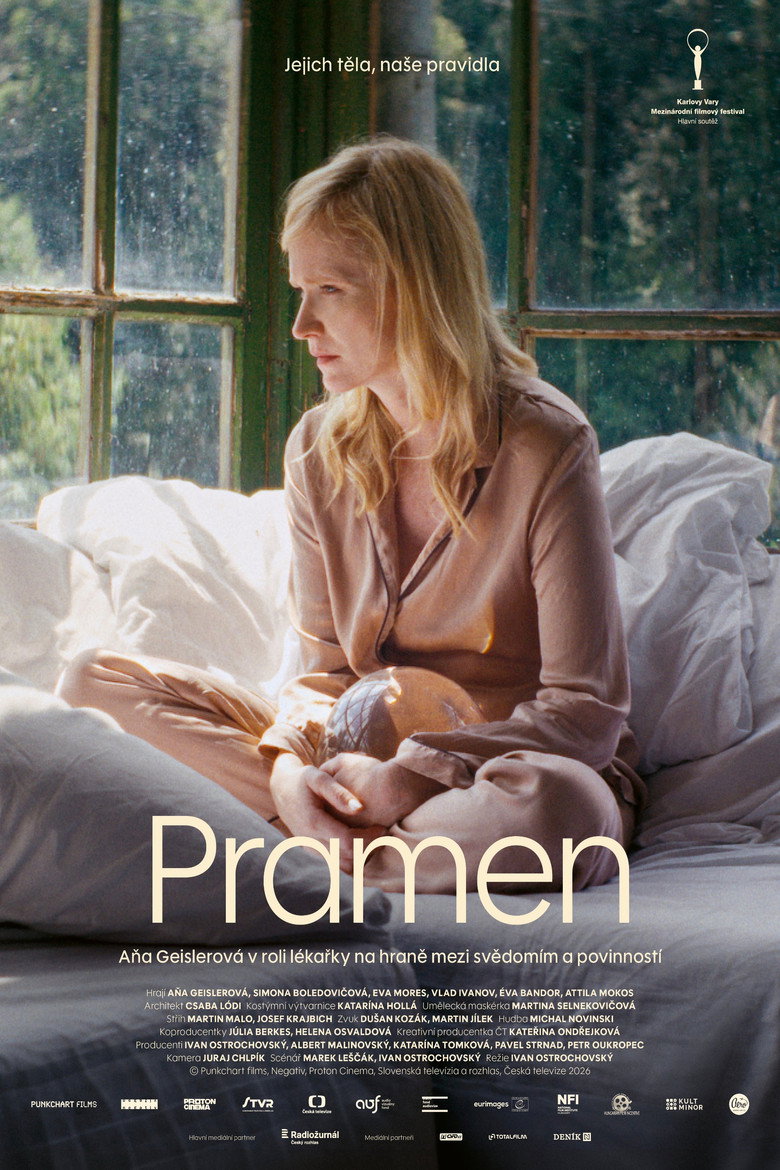
A Czech drama about a doctor in the 1980s working at a provincial hospital, confronting the moral dilemmas of her profession.

A guided walk through Hradec Králové exploring the city's unified response to the Warsaw Pact invasion in August 1968 and the transformations that followed.

Documentary film about the St. James Pilgrimage Route screened at Post Bellum in České Budějovice.

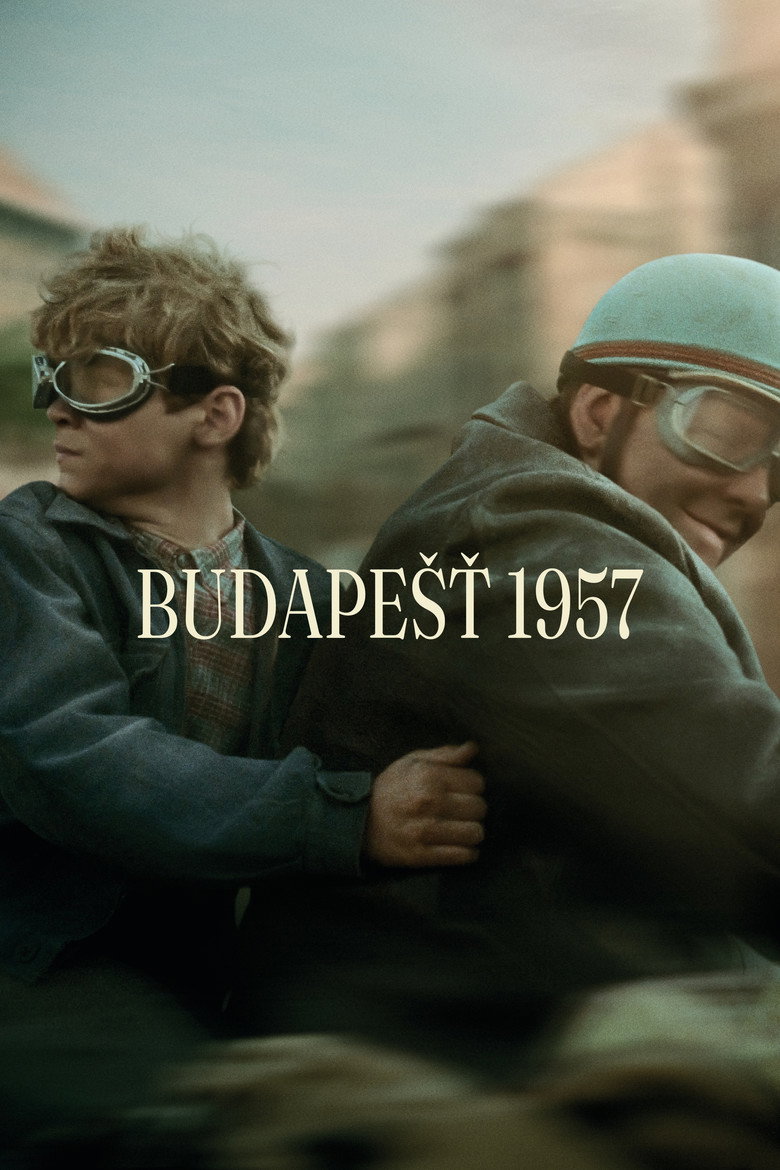
László Nemes' new film about a Jewish boy's life in 1950s Hungary, followed by a discussion on family and social collapse.

An escape game based on the true story of two Budějovice residents who were among the most successful Western agents of the 1950s. Players have 90 minutes to escape from a safe house in 1950 and reach the West.