Argus & Medusa: Hope in Difficult Times
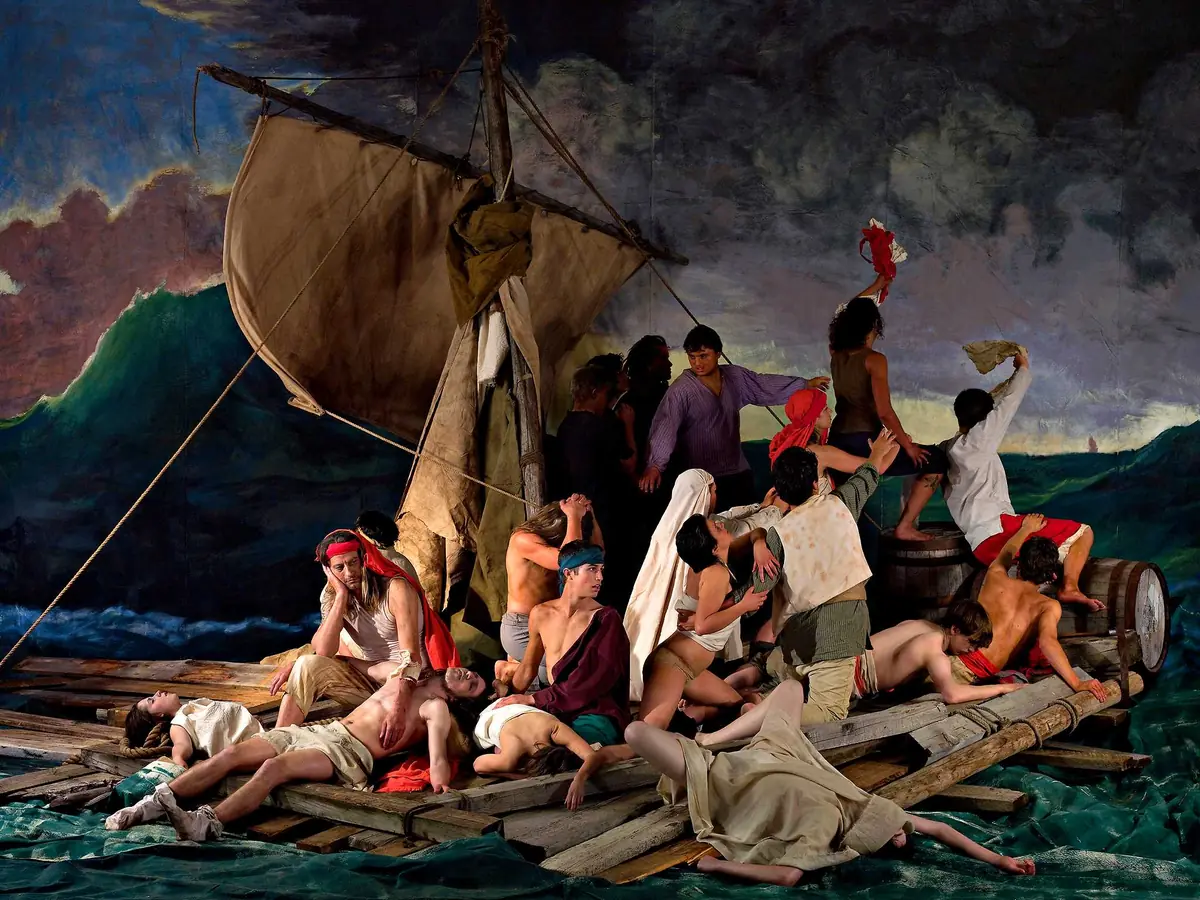
The exhibition Argus & Medusa draws on the story of a two-hundred-year-old painting still regarded as one of the most striking works in the history of painting. Théodore Géricault's monumental Vor Medúzy, painted in 1818-1819 and now in the Louvre in Paris, has continued to fascinate artists across cultures and continents. The exhibition examines how the work inspires contemporary visual artists and reflects today's world.
In July 1818, the young Géricault shut himself away in his Paris studio, haunted by a recent tragedy. After the frigate Méduse sank off the coast of West Africa, 147 crew members were left on a makeshift raft with insufficient supplies. Only fifteen survived thirteen days later. Géricault captured the moment when the survivors desperately signal the rescue ship Argus, still only a tiny point on the horizon.
The exhibiting artists approach Géricault's work as a metaphor for present-day wars, pandemics, migration, climate change and personal trauma. The artists include Bill Viola, Nikita Kadan, David LaChapelle, Banksy and others. Julian Barnes's literary work The Shipwreck is presented separately.
Exhibitions · Prague 287 in the next 30 days →
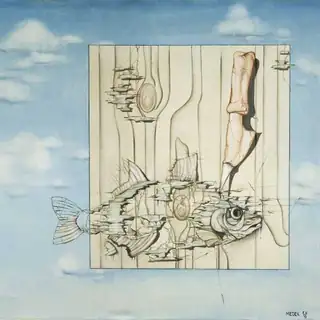 55exhibitionFri 27.11.Guided tour: Against the Current. The Surrealist Group. 1934-2024
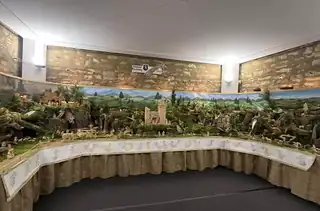 44exhibitionFri 27.11.Třešť nativity scenes at Jindřišská Tower
 44exhibitionSat 28.11.Christmas exhibition at Bethlehem Chapel 2026
 44exhibitionWed 16.12.Alžběta Tichá: Frekvence
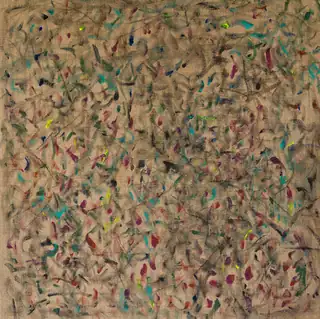 43exhibitionFri 5.11.Václava Zouplnová - Paintings, Drawings
 42exhibitionFri 20.11.Victory
 100concertSat 6.2.Editors (UK)
 100concertWed 7.4.Hans Zimmer Film Music by Candlelight
 100concertThu 18.2.Cameron Whitcomb - The Kingdom Of Fear EU/UK Tour 2027
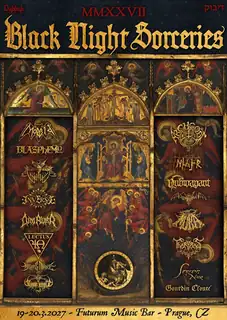 95festivalFri 19.3.Black Night Sorceries MMXXVII
 100concertThu 21.1.Manowar Kings of Metal (Prague)
 100concertFri 14.5.SUICIDE SILENCE, FLESHGOD APOCALYPSE, TO THE GRAVE a další