Samurai and Prisoner

House of Culture Ostrov, Ostrov
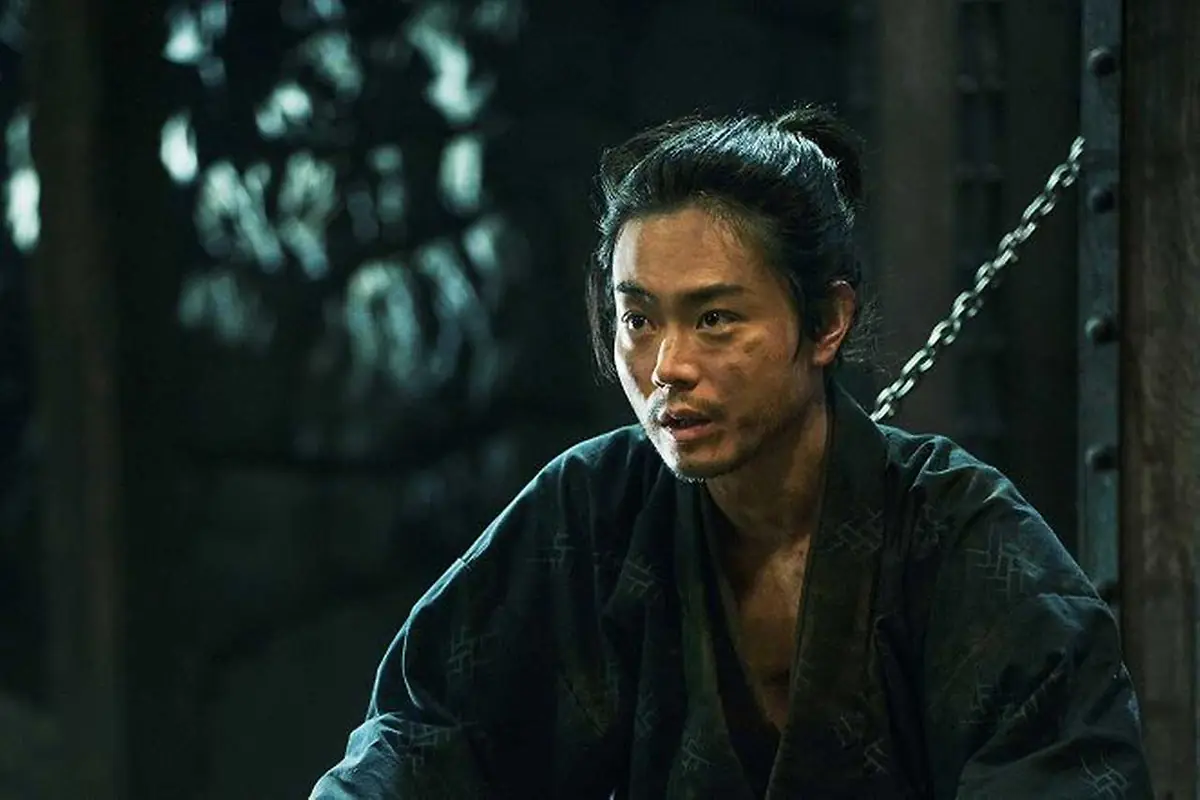
Japan, 16th century. Samurai Araki rebels against the tyrannical Oda and finds himself besieged in his mountain fortress. Inside, people begin dying under mysterious circumstances - and Araki eventually forms an alliance with the last person he would expect: his enemy envoy Kuroda, whom he has held prisoner in his dungeon.
Director Kiyoshi Kurosawa's historical drama is based on the acclaimed novel by Honobu Yonezawa and takes place in 1578, during Japan's period of warring states. At the heart of the story lies the tense relationship between two men - fortress lord Murashige Araki and his captive, strategist Kanbeie Kuroda, whom Araki imprisons instead of executing. As Nobunaga Oda's forces tighten their grip beyond the walls and distrust grows within, unraveling the mystery becomes a battle of wills, loyalty, and conflicting notions of honor and freedom.
Kurosawa made his first historical film as a tribute to classic Japanese samurai dramas. "I didn't want to invent a new style. I wanted to make the film as classical as possible, because today's audiences have almost forgotten the great Japanese historical films from the 1940s and 1950s," the director says. The film is marked by austere visual stylization, emphasis on character psychology, and deliberate restraint in depicting violence: "Real violence you can find anywhere on the internet today. But that's not cinema. In film, violence must be both real and restrained."
Films · Ostrov 3 in the next 30 days →
 53cinemaFri 2.10.Bára - Diary of a Rockstar
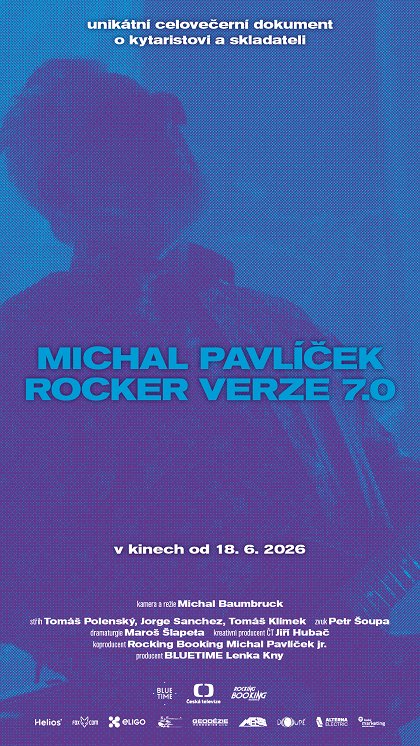 48cinemaFri 2.10.Michal Pavlíček, Rocker Version 7.0
 90cinemaTue 29.9.2001: A Space Odyssey
 88cinemaFri 2.10.Coraline
 87cinemaFri 2.10.Donnie Darko
 85cinemaThu 1.10.Colony
 84cinemaTue 6.10.Interstellar
 83cinemaFri 6.11.The Gentlemen
 82cinemaFri 2.10.Blade Runner 2049
 82cinemaSat 3.10.Arrival
 81cinemaMon 5.10.The Matrix
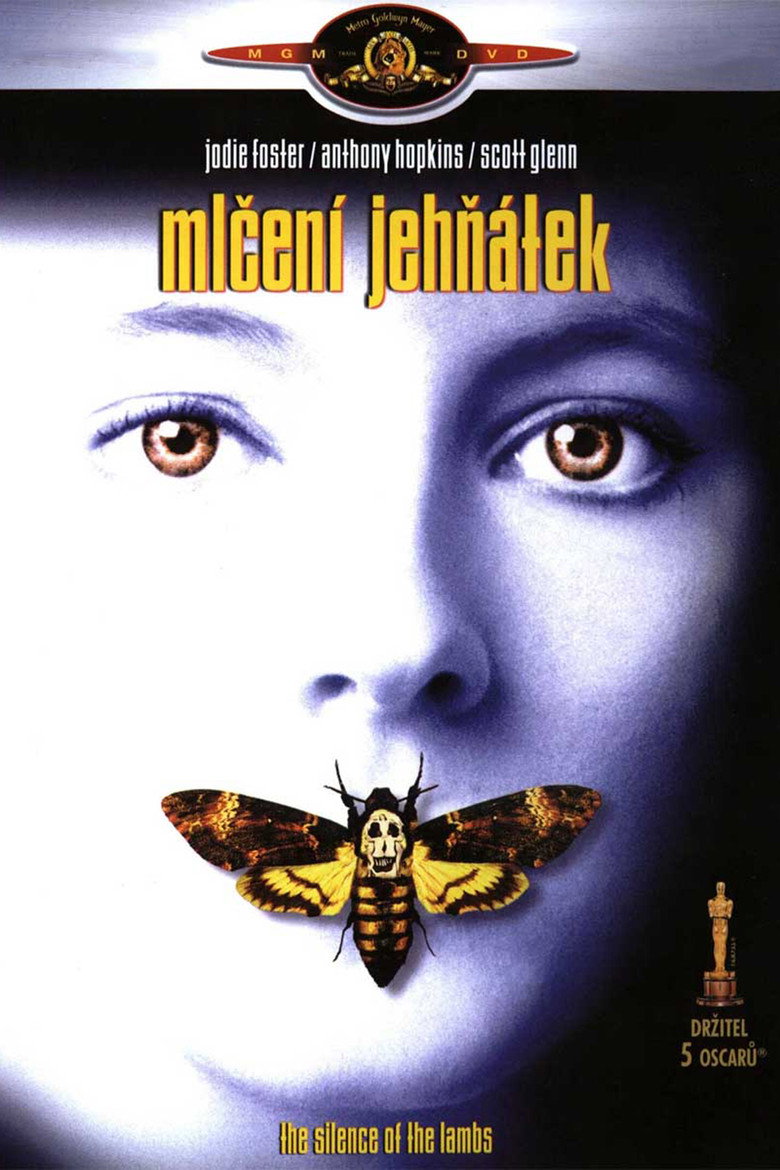 81cinemaTue 6.10.The Silence of the Lambs