The Courtesan, or Look for the Woman in Everything
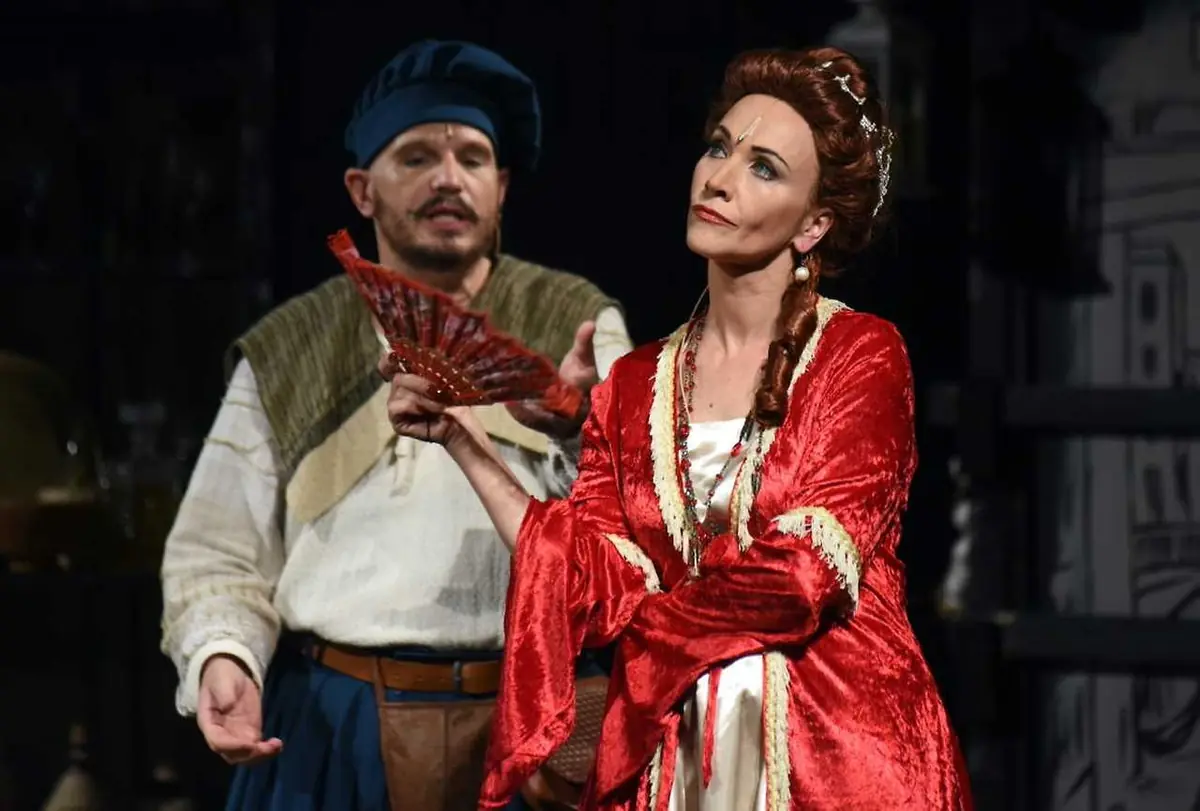
The story of the courtesan Cloridia, Abbot Cristofano, innkeeper Pellegrino from the Tavern of the Good Plate, and maidservant Giani unfolds in late Renaissance Venice during the plague at the beginning of the 16th century in Italy.
Courtesans were then blamed as the source of the epidemic - God was said to have grown angry with them and punished everyone for their immorality. Remarkably, how quickly politicians, church officials, nobility, and the clients of notorious houses embraced this explanation - along with their wives, mistresses, and scorned women. Today we know it was merely a scapegoat: unlike the courtesans, most of the population at that time was illiterate and incredibly superstitious.
Courtesans had access to libraries, participated in political negotiations and peace treaties. They spoke several languages, wrote poetry, sang, and played musical instruments. In many cases, it was they - the Cherchez la Femme or Femme Fatale - who stood behind political agreements and decisions.
The story deals with a hidden document, a vial of poison, love and betrayal. Can it be said that whoever digs a pit for another falls into it themselves?
Events · Břeclav 11 in the next 30 days →
 37theaterWed 2.12.Na srdci mi hraj!
 37theaterSun 21.3.Performance
 57concertSat 28.11.Puding pani Elvisovej at Piksla
 55concertSat 28.11.Petr Tomeček / Advent 2026 in Břeclav
 52stand-upFri 20.11.Tigran Hovakimyan - Tigran is in Town - Břeclav
 45concertSun 20.12.Grande Moravia Ladislava Pavluše - The Magic of Christmas
 44musicalSun 25.10.Aladdin and the Magic Lamp | Břeclav
 42stand-upThu 21.1.CRAZY SHOW - Martin Hranáč
 42stand-upThu 18.2.ŠVANCI SHOW - JÁ SU JÁ - Břeclav
 41balletFri 6.11.European Classical Ballet: Swan Lake
 39clubFri 25.2.Student Ball SŘ EB
 37festivalTue 17.11.Lantern Parade 2026