Hodonín u Kunštátu Camp – Intersection of Tragic Fates 1940–1950
Holocaust Memorial of Roma and Sinti in Moravia in Hodonín near Kunštát, Hodonín · free
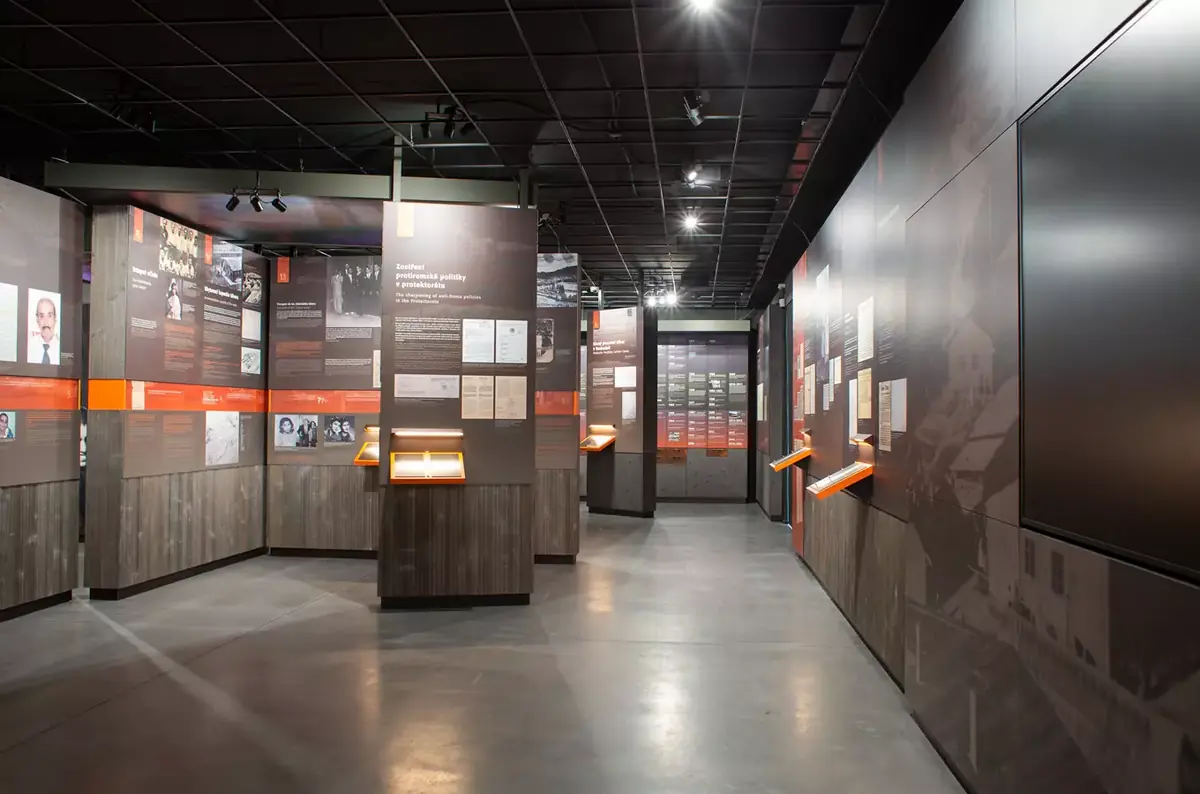
The permanent exhibition of the Holocaust Memorial of Roma and Sinti in Moravia in Hodonín u Kunštátu traces the complex history of the camp site from 1938 to the present day. The main exhibition in the information centre building guides visitors through all phases of the camp's existence: labour unit (1938), penal labour camp (1940–42), the so-called Gypsy camp – Zigeunerlager (1942–43), preparation period (1944), use by armies and a hospital (1945), internment camp for displaced Germans (1945–46), forced labour camp under the communist regime (1949–50), recreational facility (1951–2009), and finally commemoration of Roma victims of the Holocaust. The exhibition includes browsable collections with copies of period documents, a room with video recordings of survivors' memories, large screens displaying a collection of period photographs, and extensive lists of imprisoned and deceased persons. In a replica of a prison barrack, visitors can view an exhibition dedicated to the daily life of prisoners (hygiene, food, accommodation, work, healthcare, children in the camp, escapes). The only surviving original camp building is the Guard Barrack, serving as a space for temporary exhibitions. Near the camp site is the heritage-protected forest cemetery Žalov, where a large number of camp victims were buried. The 2026 season runs from 1 April to 31 October, Wednesday to Sunday. Admission to the exhibition, exhibitions, and grounds is free; only guided tours (80 CZK / 40 CZK) and educational programmes (40 CZK per student) are charged. Outside the season (November–March), visits are possible on weekdays by prior arrangement by phone +420 775 403 155 or email hodonin@rommuz.cz. The site is managed by the Museum of Romani Culture.
Events · Hodonín 37 in the next 30 days →
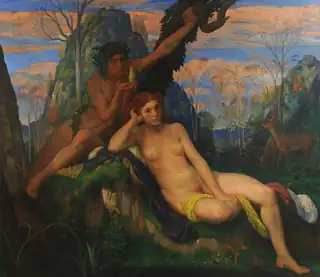 51exhibitionThu 5.11.Břetislav Malý, Patrik Pelikán – Materiál
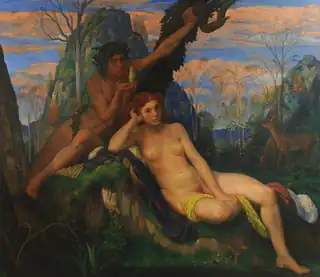 35exhibitionFri 6.11.Subtle Difference
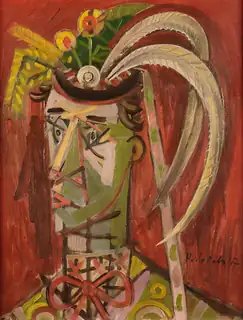 35exhibitionFri 27.11.In the Sun and in the Shade
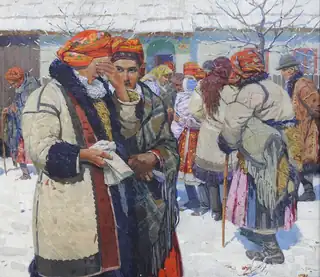 32exhibitionThu 26.11.Folklorisms from Collections
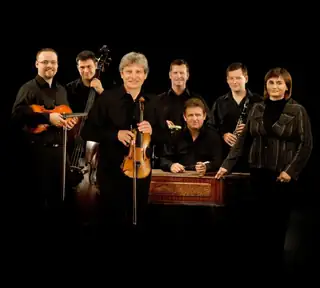 76concertWed 17.3.Jiří Pavlica and HRADIŠŤAN
 75concertTue 20.10.Helena Vondráčková
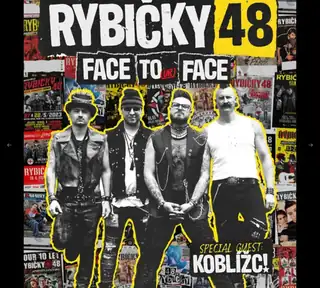 74concertSat 7.11.FACE TOur FACE: Rybičky 48
 66stand-upSun 11.10.Martin Hranáč - CRAZY SHOW - Hodonín
 65theaterWed 21.10.TIKI TAKA on Tour - Hodonín
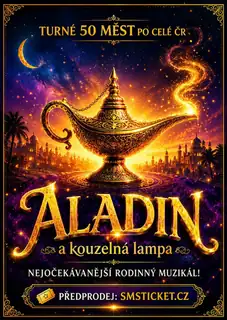 52musicalSat 30.1.Aladdin and the Magic Lamp | Hodonín
 48musicalSun 18.10.Music Fusion Teatrál
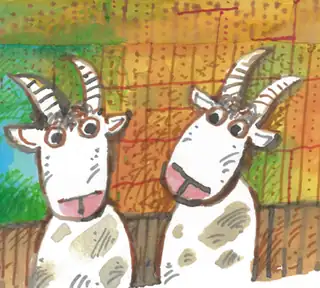 45theaterSun 18.10.A Tale of Little Goats