Samurai and Prisoner
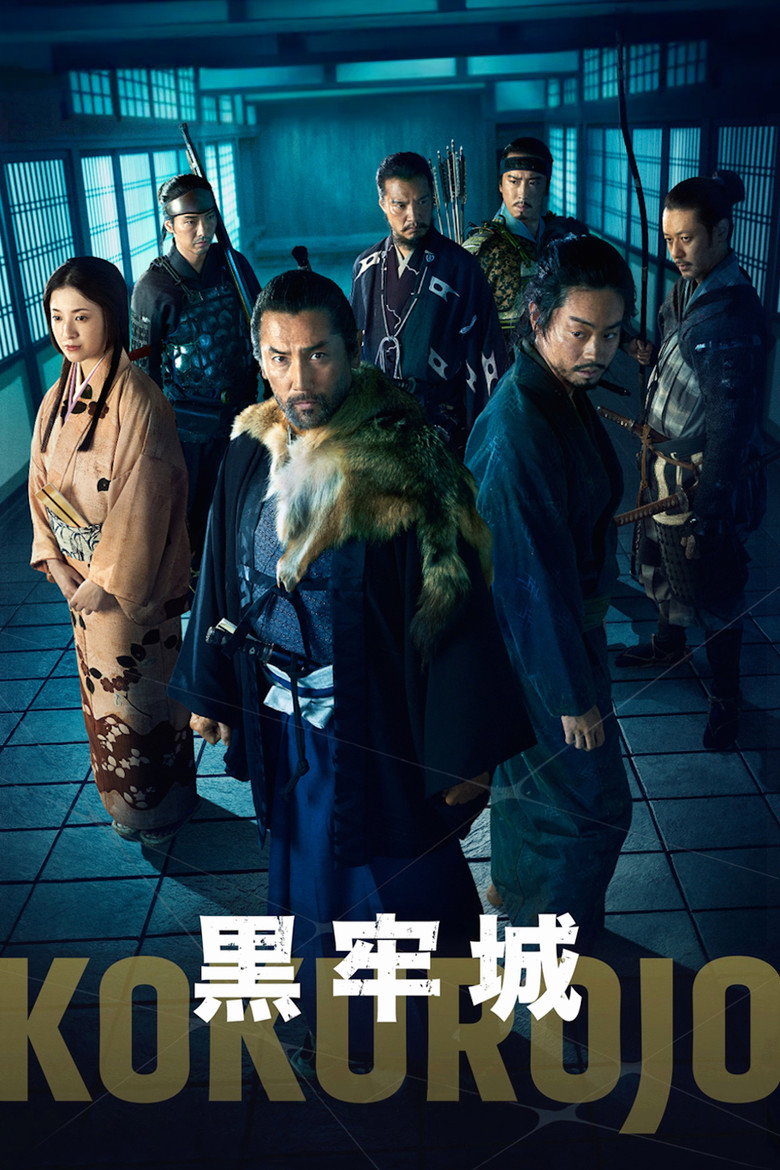
Hraničář Gallery, Ústí nad Labem
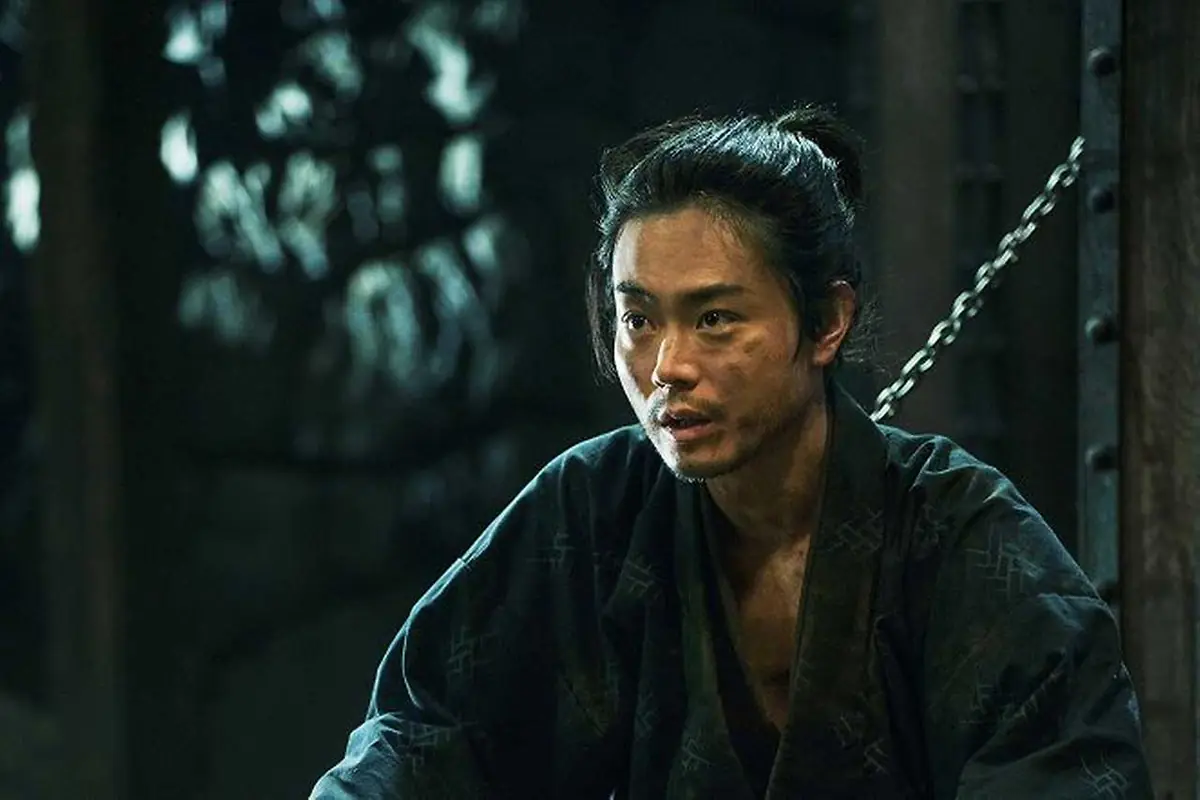
Japan, 16th century. Samurai Murashige Araki rebels against the tyrannical Oda and barricades himself in his mountain fortress. Rather than execute the enemy envoy Kanbei Kuroda, he imprisons him - and this man becomes an unexpected ally when the castle is plagued by mysterious deaths and fear and suspicion grow among the defenders.
Director Kiyoshi Kurosawa's historical drama is based on the acclaimed novel by Honobu Yonezawa and takes place in 1578, during the period of warring states. At the heart of the story is the tense relationship between two men: the lord of the castle and his prisoner, a brilliant strategist. Unraveling the mystery gradually transforms into a battle of wills, loyalty, and conflicting notions of honor, power, and freedom.
Kurosawa conceived his first historical film as a tribute to classic Japanese samurai dramas. "I didn't want to invent a new style. I wanted to make the film as classical as possible, because today's audiences have almost forgotten the great Japanese historical films from the 1940s and 1950s," the director says. Yet this is not a nostalgic reconstruction - the themes of power, freedom, and responsibility are deliberately contemporary, as is the restrained approach to violence: "You can find real violence anywhere on the internet today. But that's not cinema. In a film, violence must be both real and restrained."
Films · Ústí nad Labem 15 in the next 30 days →
 78cinemaSat 5.9.I Swear
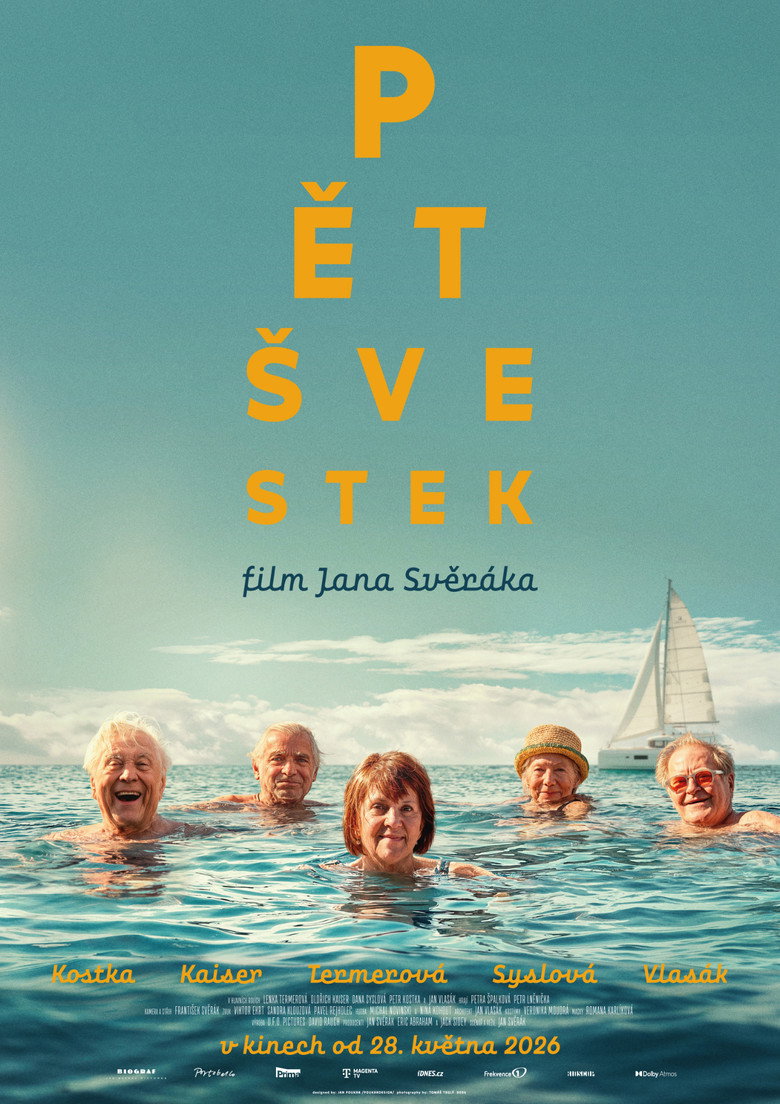 62cinemaSat 5.9.Five plums
 56cinemaWed 7.10.Queen Budapest
 53cinemaSun 6.9.Born in the Jungle
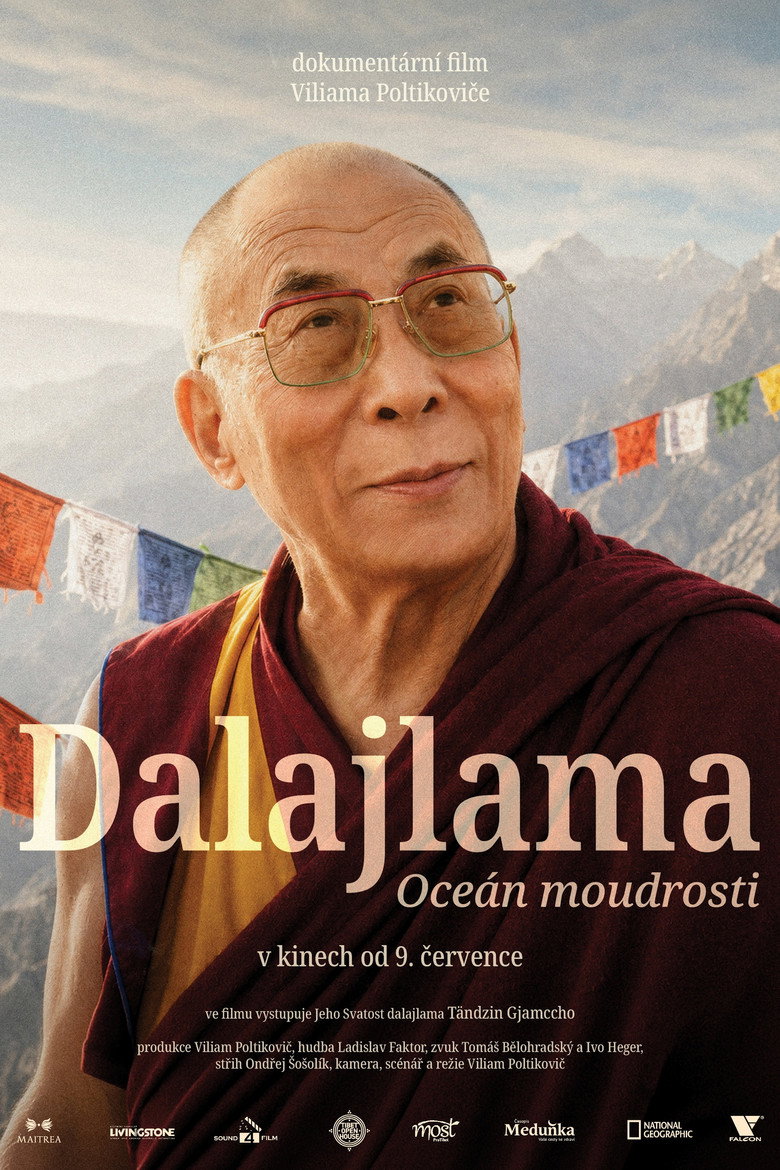 53cinemaMon 7.9.Dalai Lama - Ocean of Wisdom
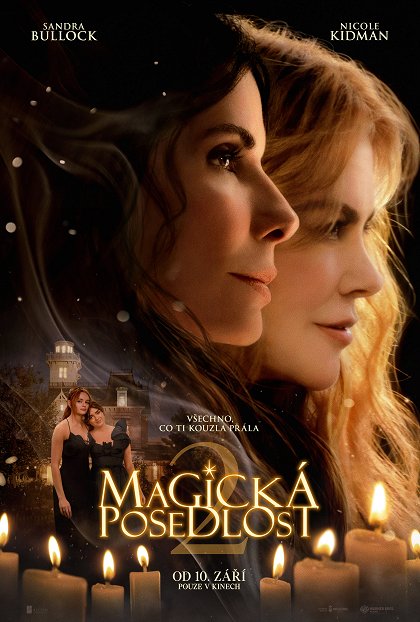 48cinemaWed 9.9.Practical Magic 2
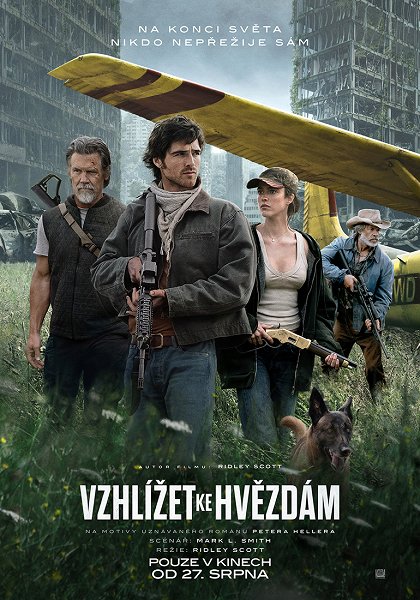 47cinemaThu 27.8.The Dog Stars
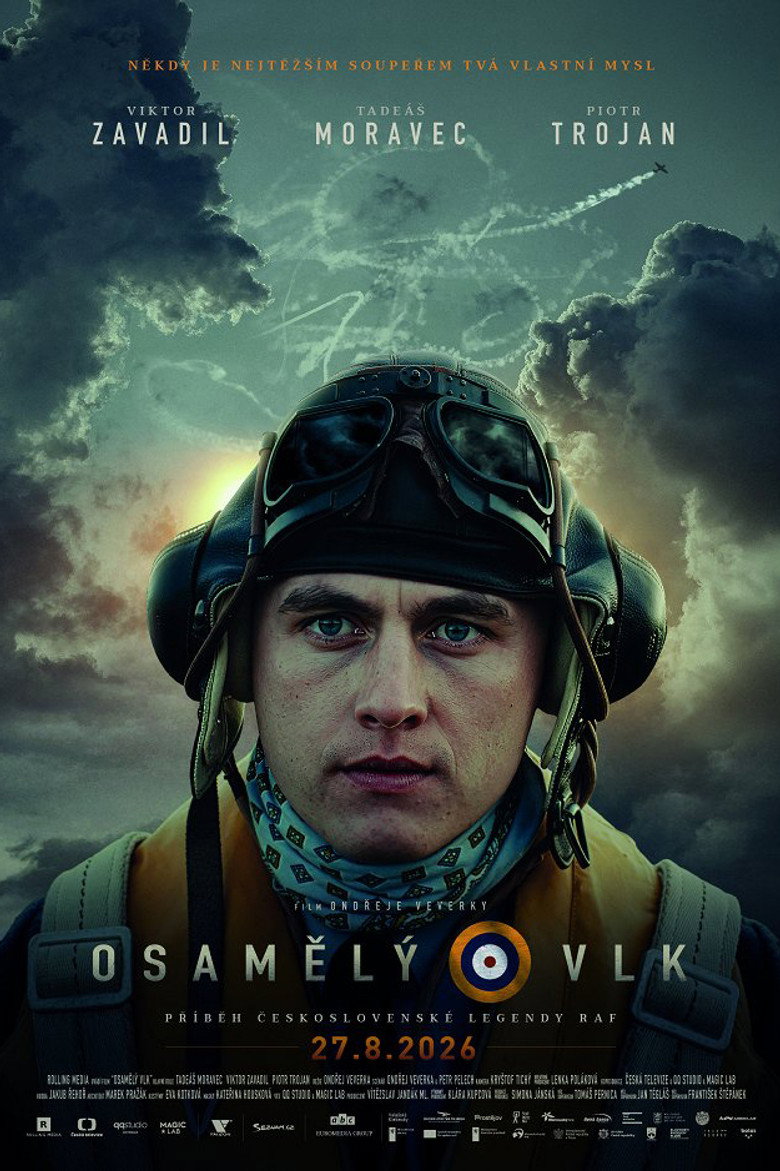 42cinemaThu 27.8.Lone wolf
 42cinemaFri 28.8.A Perfect Day
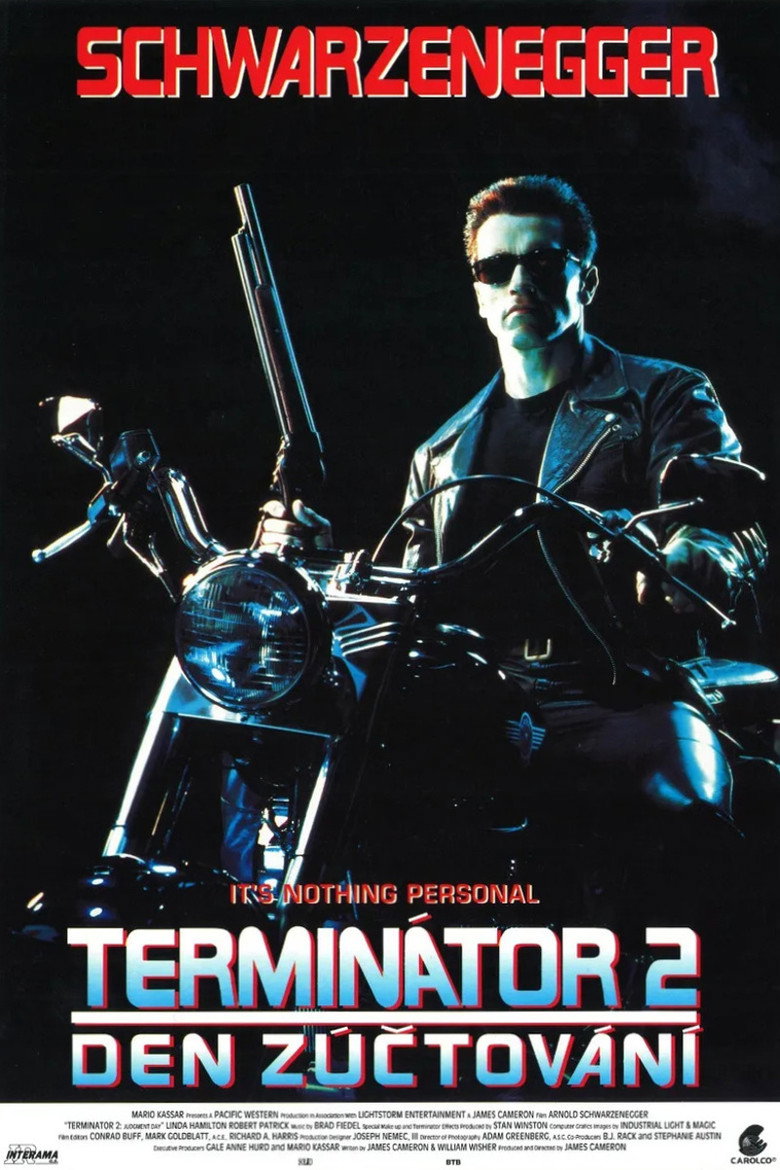 85cinemaSun 6.9.Terminator 2: Judgment Day
 83cinemaFri 6.11.The Gentlemen
 82cinemaMon 7.9.Secrets & Lies